 Pin It
 The first time I really understood jasmine rice was in a cramped Bangkok kitchen watching my friend's grandmother measure coconut milk by eye, steam rising from a battered pot. She never wrote anything down, just knew when the liquid had disappeared into the grains through some invisible sense. Years later, I realized I was chasing that same magic—that moment when fragrant rice and creamy coconut become one thing, neither liquid nor solid but something entirely its own.
I made this for a dinner party once and watched someone take a second spoonful without thinking, then pause and really taste it. They asked if it had secret ingredients. It doesn't, but there's something about the combination—the floral note of jasmine, the richness of coconut—that makes people slow down and pay attention.
Ingredients
- Jasmine rice (1 cup): The real star—its delicate aroma matters more than you'd think, so don't skip the rinse or use broken grains if you can help it.
- Full-fat coconut milk (1 cup): This is where richness lives; light coconut milk will give you something closer to regular rice.
- Water (1 cup): The liquid ratio is important, so measure carefully rather than eyeballing.
- Salt (½ teaspoon): Brings out the jasmine's floral notes without announcing itself.
- Sugar (1 teaspoon, optional): A whisper of sweetness if you want it, but truly optional depending on what you're serving alongside.
Tired of Takeout? 🥡
Get 10 meals you can make faster than delivery arrives. Seriously.
One email. No spam. Unsubscribe anytime.
Instructions
- Rinse the rice:
- Run it under cold water in a fine mesh strainer, gently stirring with your fingers until the water goes from cloudy to clear. This removes excess starch and keeps the grains separate.
- Combine everything:
- Pour the rinsed rice, coconut milk, water, salt, and sugar (if using) into a medium saucepan and stir so nothing settles on the bottom. The mixture should look creamy and unified.
- Bring to a boil:
- Set the heat to medium and watch for the first bubbles. You'll start smelling the jasmine more intensely as the heat releases its aromatics.
- Lower the heat and cover:
- Once it boils, drop the heat to low and place a tight-fitting lid on the pot. If steam escapes at the sides, your lid isn't snug enough.
- Let it simmer undisturbed:
- This is the hardest part—resist the urge to peek or stir. Set a timer for 15 minutes and trust the process.
- Rest and fluff:
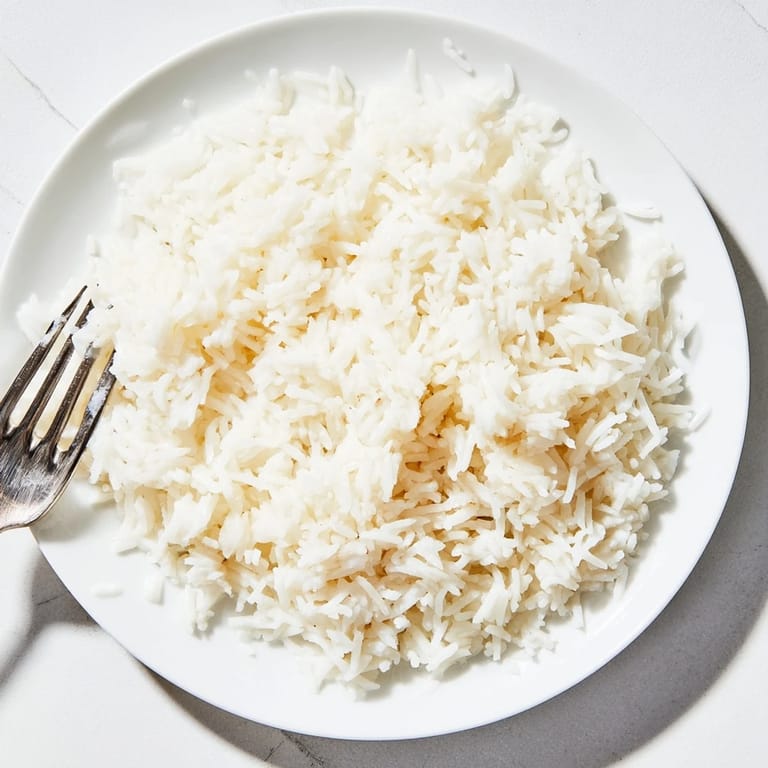
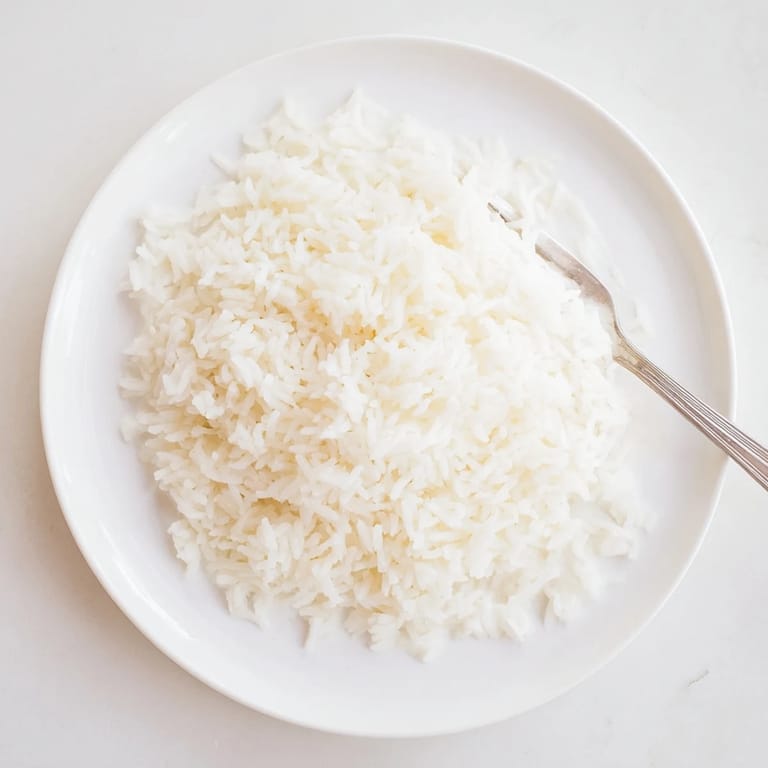
- Remove from heat and let it sit covered for 10 minutes. This final rest lets the rice absorb any remaining liquid. Use a fork to gently separate the grains, never a spoon.
 Pin It
 Someone once told me that in her family, this rice was the canvas everything else was painted on. The curry could be bold or gentle, the vegetables grilled or stir-fried, but this rice stayed the same—reliable, fragrant, the thing you came back to between bites.
When to Add Extra Flavor
If you want to push things further, add a pandan leaf or a thumb-sized piece of ginger to the pot while it cooks. The ginger adds a warm undertone; the pandan leaf deepens that floral quality into something almost vanilla-like. Just remember to fish them out before serving—nobody wants to bite into a leaf mid-meal. I usually tie them in a small knot so they're easy to grab.
What to Serve It With
This rice is a shapeshifter. It sits perfectly under a coconut curry, soaks up the sauce from grilled fish or chicken, and makes stir-fried vegetables taste more intentional. The subtlety is the point—it supports whatever else is on the plate without competing. I've made it for Thai nights, for quiet weeknight dinners, and for the kind of meals where you want everything to feel a little more thoughtful than it actually was.
Making It Ahead and Storage
Coconut rice actually improves slightly as it cools, so there's zero shame in making it a few hours early. It keeps well in the refrigerator for up to three days—just reheat gently with a splash of water if it dries out, stirring occasionally. Some people add a little extra coconut milk when reheating, and honestly, that's not wrong.
- Cool it completely before refrigerating to avoid condensation making it soggy.
- Reheat on the stovetop over low heat, not the microwave, to keep the grains separate.
- If it seems dry when you reheat, add just enough water or coconut milk to create steam, then cover and warm through gently.
 Pin It
 This is the kind of recipe that teaches patience—not through difficulty, but through simplicity. Everything it needs is right there in the pot.
Recipe FAQs
- → What type of rice works best for this dish?
Jasmine rice is preferred for its natural fragrance and soft texture after cooking, complementing the creamy coconut flavors.
- → Can I use light coconut milk instead of full-fat?
Yes, but full-fat coconut milk provides a richer, creamier texture and more pronounced flavor in the dish.
- → How do pandan leaves enhance the flavor?
Pandan leaves add a sweet, floral aroma that deepens the tropical notes, elevating the overall fragrance of the rice.
- → Is rinsing the rice necessary before cooking?
Rinsing removes excess starch, preventing the rice from becoming too sticky and ensuring a light, fluffy texture.
- → What dishes pair well with this jasmine rice preparation?
This side complements Asian-inspired mains like Thai curries, grilled meats, and stir-fried vegetables, balancing spicy and savory flavors.