 Pin It
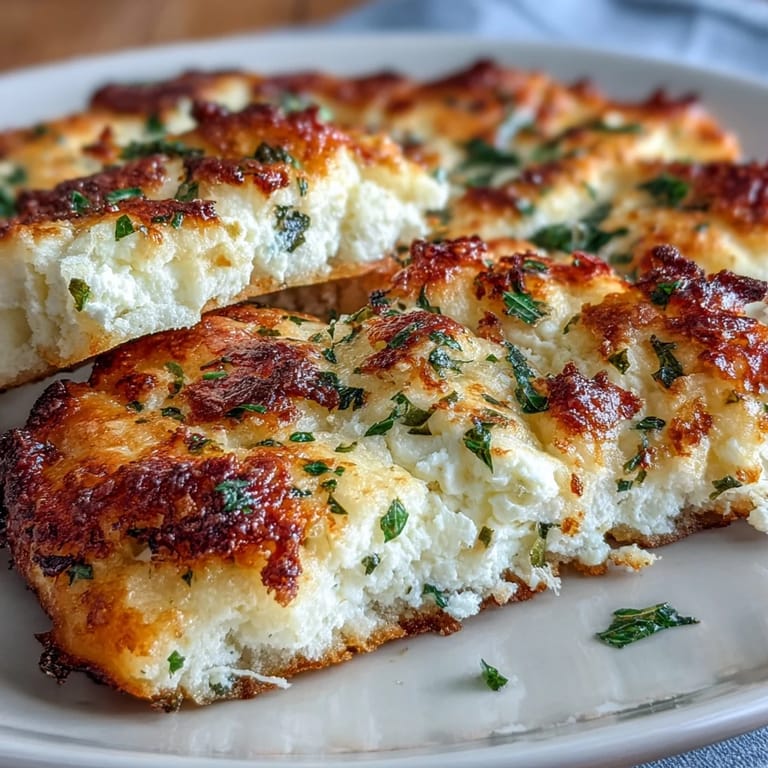
 The smell hit me before I even flipped the first one: warm dough meeting hot iron, a faint garlic hum, and something almost creamy underneath. I'd tossed cottage cheese into the bowl on a hunch, doubting it would work, but the moment those bubbles appeared across the surface I knew I'd stumbled onto something good. My kitchen filled with the kind of aroma that makes you want to tear into bread before it even cools. Four flatbreads later, I was already planning tomorrow's lunch around them. Sometimes the best recipes are the ones you half-invent by accident.
I made these for my sister one Saturday when she dropped by unexpectedly, and we ended up using them as wraps for leftover roasted vegetables and hummus. She kept asking what made them so soft, and I finally admitted it was cottage cheese. She laughed, said she never would have guessed, and took the last two home in a napkin. Now she texts me every few weeks asking if I have any in the freezer.
Ingredients
- All-purpose flour: The backbone of the dough, it gives structure without being heavy, and a little extra for dusting keeps things from sticking when you roll.
- Baking powder: This is what makes them puff and bubble in the pan, creating those airy pockets that catch butter or sauce so well.
- Fine salt: Just enough to wake up the other flavors without making the dough taste salty, it balances the tang from the cheese.
- Garlic powder: Optional but worth it, it adds a quiet savory note that makes these taste intentional, not plain.
- Full-fat cottage cheese: Drain it well or the dough gets too wet, the curds break down into the dough and add moisture and a gentle tang that keeps the flatbreads tender.
- Large egg: Binds everything together and adds a little richness, it helps the dough hold its shape when you roll it out.
- Olive oil: A tablespoon in the dough keeps it soft, and a little more in the pan gives the outside a golden, slightly crisp finish.
- Fresh chopped herbs: Parsley or chives add bright green flecks and a hint of freshness, but you can skip them if you're out.
- Water: Only if the dough feels dry, add it a teaspoon at a time until the dough comes together without crumbling.
Tired of Takeout? 🥡
Get 10 meals you can make faster than delivery arrives. Seriously.
One email. No spam. Unsubscribe anytime.
Instructions
- Whisk the dry ingredients:
- In a medium bowl, whisk together the flour, baking powder, salt, and garlic powder until evenly combined. This ensures the leavening and seasoning distribute evenly through the dough.
- Mix the wet ingredients:
- In a separate bowl, combine the drained cottage cheese, egg, olive oil, and chopped herbs. Use a fork or small whisk to break up the curds until the mixture is relatively smooth.
- Combine wet and dry:
- Pour the wet mixture into the dry ingredients and stir gently with a spatula until a shaggy dough forms. If it feels too dry or crumbly, add water 1 teaspoon at a time until it comes together into a soft, slightly sticky ball.
- Fold the dough:
- Turn the dough onto a lightly floured surface and fold and press it about 6 to 8 times, just enough to bring it into a cohesive ball. Do not over-knead or the flatbreads will turn tough.
- Rest the dough:
- Cover the dough ball with a clean kitchen towel or plastic wrap and let it rest at room temperature for 10 minutes. This relaxes the gluten and makes rolling easier.
- Divide and roll:
- After resting, divide the dough into 4 equal portions and roll each into a smooth ball. Using a rolling pin or your hands, flatten each ball into a round flatbread about ¼ inch thick, dusting lightly with flour as needed.
- Heat the skillet:
- Warm a large nonstick or cast-iron skillet over medium heat and brush lightly with olive oil. The pan should be hot enough that a drop of water sizzles but not so hot that it smokes.
- Cook the flatbread:
- Place one rolled flatbread in the hot skillet and cook for 2 to 3 minutes until bubbles form and the underside is golden brown. Flip and cook another 1 to 2 minutes until golden and cooked through, adjusting heat as needed.
- Keep warm:
- Transfer cooked flatbread to a plate and cover with a clean towel to keep warm and soft. Repeat with remaining dough, adding more oil if necessary.
- Serve:
- Serve warm as a wrap, with dips, or as a pizza base with your favorite toppings.
 Pin It
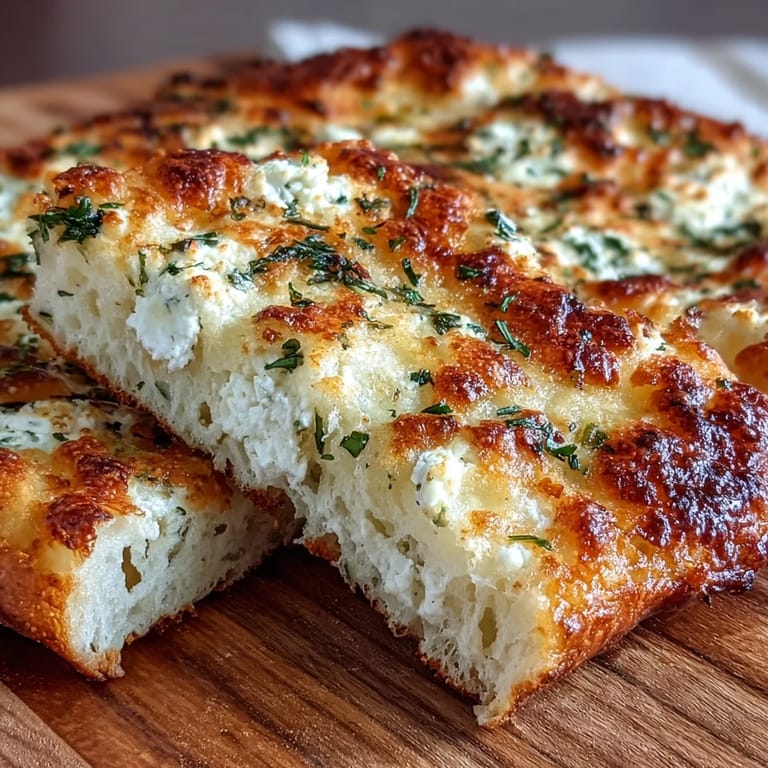
 One evening I topped these with marinara and mozzarella and baked them like little pizzas, and my son declared them better than delivery. It wasn't the toppings that made them special, it was the fact that the base stayed soft and chewy, never cardboard-like. That night, flatbread became more than a side dish, it became the main event.
How to Store and Reheat
I stack them with parchment paper between each flatbread and slide them into an airtight container, then they go straight into the fridge for up to 3 days. For longer storage, I freeze them in a zip-top bag and pull one out whenever I need a quick wrap or pizza base. To reheat, I warm them in a skillet over low heat for about a minute per side, or microwave them for 20 seconds with a damp paper towel on top to keep them soft. They come back to life just as tender as the day I made them.
Ways to Use These Flatbreads
I've filled them with scrambled eggs and cheese for breakfast, wrapped them around grilled chicken and tzatziki for lunch, and topped them with pesto and tomatoes for a fast dinner. They hold up to wet fillings without falling apart, and they're sturdy enough to scoop up hummus or baba ganoush without tearing. One time I brushed them with garlic butter and served them alongside soup, and they disappeared faster than the crackers ever did. They're the kind of blank canvas that makes meal planning feel less like a chore.
Variations and Substitutions
For a gluten-free version, I use a 1:1 gluten-free flour blend and add 1 tablespoon of ground flaxseed to help with texture and binding. If you want a pop of color, fold in finely chopped spinach or sun-dried tomatoes before you roll out the dough. I've also swapped the herbs for za'atar or everything bagel seasoning when I want a different flavor profile.
- Try ricotta instead of cottage cheese for a slightly sweeter, creamier dough.
- Add a pinch of red pepper flakes to the dry ingredients if you like a little heat.
- Brush the cooked flatbreads with melted butter and sprinkle with flaky salt for a richer finish.
 Pin It
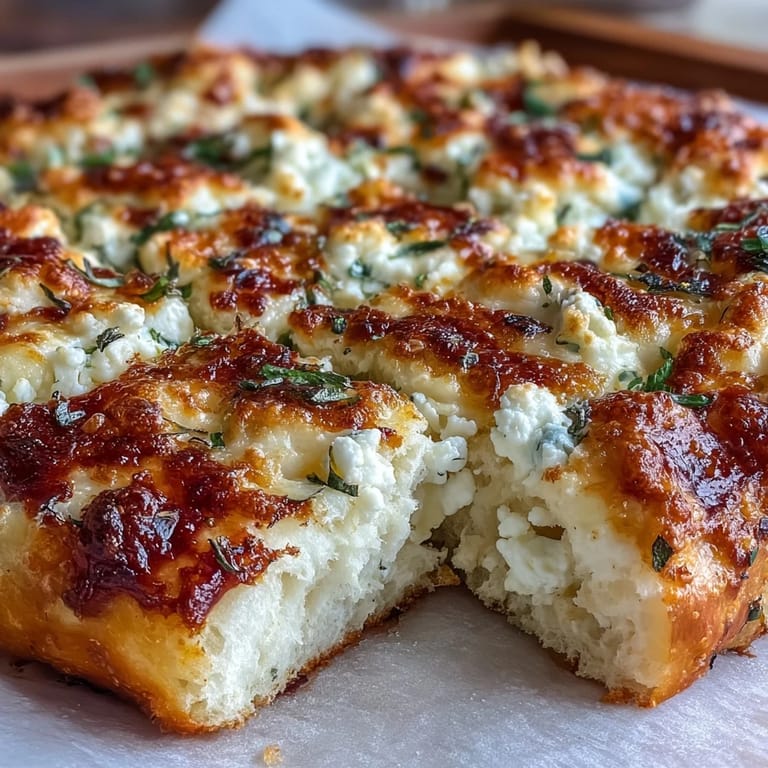
 These flatbreads have become my go-to for busy weeks when I want something homemade but don't have the time or energy for complicated recipes. They're proof that a little cottage cheese and a hot skillet can turn into something warm, satisfying, and surprisingly versatile.
Recipe FAQs
- → Can I make these flatbreads gluten-free?
Yes, substitute all-purpose flour with a 1:1 gluten-free flour blend and add 1 tablespoon of ground flaxseed to improve texture and binding.
- → How do I store leftover flatbreads?
Store cooled flatbreads in an airtight container in the refrigerator for up to 3 days, or freeze them for up to 1 month. Reheat in a skillet or microwave with a damp paper towel to restore softness.
- → Why does my dough feel too dry or crumbly?
Add water 1 teaspoon at a time until the dough becomes soft and slightly sticky. Cottage cheese moisture can vary by brand, so adjust liquid as needed.
- → Can I add extra flavors to the dough?
Absolutely! Mix in finely chopped spinach, sun-dried tomatoes, or your favorite dried herbs for additional color and flavor variations.
- → How do I use these flatbreads as a pizza base?
Top each cooked flatbread with sauce, cheese, and your preferred toppings, then bake at 425°F for 8–10 minutes until the cheese melts and edges crisp.
- → What type of cottage cheese works best?
Full-fat cottage cheese provides the best texture and tang. Make sure to drain it well before mixing to avoid excess moisture in the dough.