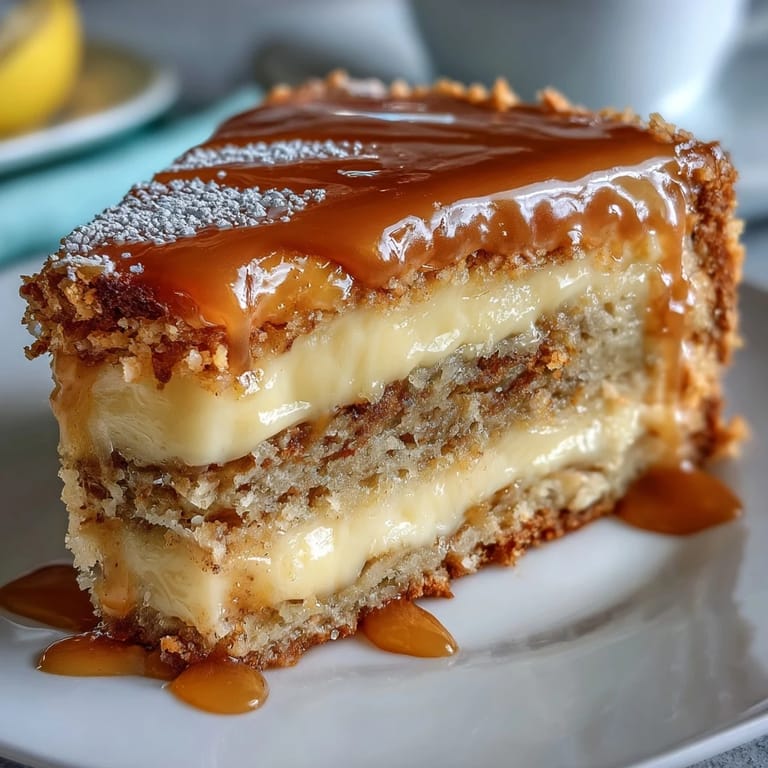
 Pin It
 There's a particular moment in spring when the kitchen needs brightness, and that's when I reach for lemons. Years ago, a friend handed me a slice of her grandmother's lemon tart at a dinner party, and I watched it disappear in three bites—mine included. The crust shattered against my fork, buttery and delicate, while the filling sang with such perfect tartness that I had to ask for the recipe that very night. Now, whenever I make this, I'm transported back to that table, the evening light golden on everyone's faces, all of us quietly amazed by something so simple yet so elegant.
I made this for my partner's birthday last April, and I remember standing in front of the oven watching the filling set, nervous that I'd overbaked it. The kitchen smelled incredible—lemon zest, toasted butter, the warm pastry underneath. When I pulled it out and it jiggled just slightly in the center, I felt this weird rush of relief. We let it cool completely, chilled it overnight (impatience is a real hazard here), and the next day when we finally cut into it, the whole thing was absolutely perfect.
Ingredients
- All-purpose flour: 1 1/4 cups (160 g) is the foundation of a tender, flaky crust—measure by weight if you can, as scooping can pack too much flour and make things tough.
- Unsalted butter, cold and cubed: 1/2 cup (115 g) for the crust; keep it genuinely cold or it won't create those pockets of flakiness.
- Powdered sugar: 1/4 cup (30 g) adds subtle sweetness and helps bind the crust without toughening it.
- Fine sea salt: 1/4 tsp in the crust and a pinch in the filling; it deepens the lemon flavor and prevents the filling from tasting flat.
- Egg yolk: 1 large one is your binding agent in the crust—the yolk brings richness and helps everything hold together.
- Ice water: 2–3 tbsp keeps the dough tender; warm water develops gluten and makes the crust tough, so truly use ice.
- Eggs and egg yolks: 3 large eggs plus 2 large yolks create that silky, just-set custard consistency you're after.
- Granulated sugar: 1 cup (200 g) sweetens the filling; if you prefer it less tart, increase this to 1 cup plus 2 tbsp.
- Freshly squeezed lemon juice: 2/3 cup (160 ml) from 3–4 lemons is non-negotiable; bottled juice tastes flat and ruins the whole tart.
- Finely grated lemon zest: 2 tsp brings that deep, fragrant lemon note that makes people ask what your secret is.
- Unsalted butter, melted and cooled: 1/2 cup (115 g) for the filling adds richness and a silky mouthfeel.
- Powdered sugar for dusting: Optional but makes the tart look bakery-worthy; use a fine sifter for even coverage.
- Lemon wheels, berries, or mint: Optional garnishes that look beautiful and hint at the flavors inside.
Tired of Takeout? 🥡
Get 10 meals you can make faster than delivery arrives. Seriously.
One email. No spam. Unsubscribe anytime.
Instructions
- Warm your oven:
- Set it to 350°F (175°C) so it's ready when you are, and place a rack in the middle position for even baking.
- Build the crust:
- Pulse flour, powdered sugar, and salt in a food processor until combined, then add cold butter and pulse until it looks like coarse breadcrumbs—this usually takes 10–15 pulses. Add the egg yolk and 2 tbsp ice water, pulse just until the dough barely comes together, then add that last tablespoon of water if it's still crumbly. Don't overwork it or the crust will be tough rather than tender.
- Rest the dough:
- Turn it onto a lightly floured surface, shape it into a disk, wrap it in plastic, and chill for 30 minutes if you have time—this relaxes the gluten and prevents shrinkage. If you're in a rush, even 15 minutes helps.
- Line the tart pan:
- Roll the chilled dough to about 1/8 inch thick and fit it into your 9-inch tart pan with a removable bottom, pressing it gently into the corners and up the sides. Trim any overhang with a sharp knife, then prick the base all over with a fork to prevent puffing.
- Blind bake the crust:
- Line the dough with parchment paper and fill it with pie weights or dried beans to keep the bottom flat. Bake for 15 minutes, then carefully remove the weights and paper, and bake another 10 minutes until the crust is lightly golden and smells toasted.
- Cool slightly:
- Let the crust sit for a few minutes while you prepare the filling; it should still be warm when you pour the filling in.
- Make the filling:
- In a large bowl, whisk together the eggs, egg yolks, granulated sugar, fresh lemon juice, lemon zest, melted butter, and a tiny pinch of salt until everything is smooth and well combined. This usually takes 2–3 minutes of whisking.
- Pour and bake:
- Pour the filling into your warm crust and slide it into the oven; bake for 20–25 minutes until the center is just set but still has a slight wobble when you gently shake the pan. It will continue to cook slightly as it cools, so err on the side of underbaking rather than overbaking.
- Cool completely:
- Let the tart cool on a wire rack at room temperature for at least an hour, then chill it in the refrigerator for a minimum of 2 hours—this firms up the filling and makes slicing cleaner and more elegant.
- Finish with garnish:
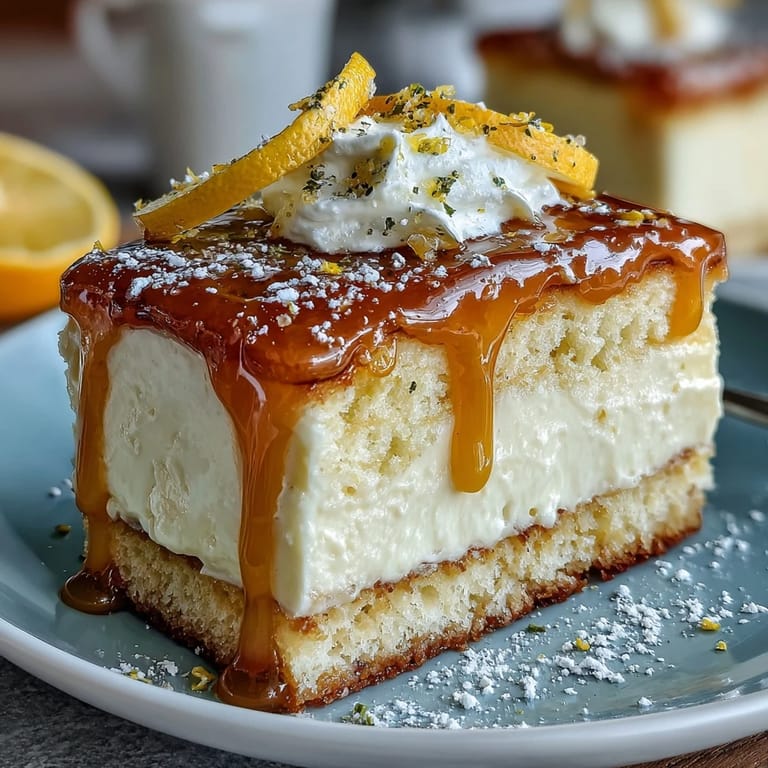
- Just before serving, dust the top with powdered sugar using a fine sifter, and arrange thinly sliced lemon wheels, fresh berries, or mint leaves on top if you'd like.
 Pin It
 I once served this at a dinner party where someone's grandmother was visiting, and she actually got quiet when she took her first bite—not in a rude way, but in that way where food is so good you need a moment to process it. She asked for the recipe and I found myself writing out every single tip and trick I've learned. Watching her nod like she understood exactly what I meant made me realize that this tart is one of those dishes that brings people together through taste.
The Crust: Your Foundation for Success
A perfect crust is truly about keeping everything cold and being gentle with your hands. The moment you overwork it or let the butter warm up, you lose those little pockets of butter that create flakiness. I learned this the hard way after making the dough in a warm kitchen and ending up with a dense, tough crust that tasted more like shortbread than pastry. Now I chill my mixing bowl and even my rolling pin if the kitchen is particularly warm, and I've never had a problem since. The texture should be sandy, never wet or clumpy—think beach sand after a light rain, not a muddy puddle.
The Filling: Silky, Bright, and Just Right
This filling is forgiving in some ways and temperamental in others, which is part of why it's so rewarding to master. The key is whisking your eggs and sugar together thoroughly so they're pale and slightly thick before you add the lemon juice and butter—this creates a kind of emulsion that feels luxurious on the tongue. I've learned that opening the oven door even a crack before the 20-minute mark can cause the filling to deflate, so I always check by gently shaking the pan from the side and peeking rather than fully opening the door. The wobble in the center should be gentle and centered, not sloshy.
Serving and Storage Wisdom
This tart is honestly better the next day when the flavors have settled and the filling is completely set and cold. I like to take it straight from the refrigerator about 10 minutes before serving so it's not bone-cold but still perfectly firm. A dollop of crème fraîche or a tiny pour of whipped cream on the side elevates it from elegant to absolutely memorable. For storage, keep it covered in the refrigerator for up to 3 days—the crust may soften slightly, but the tart will still taste wonderful.
- A glass of chilled Sauternes or sparkling wine pairs beautifully and cuts through the richness.
- You can make the dough a full day ahead and keep it wrapped and chilled, making the whole project less stressful.
- If you're worried about overbaking, use a pastry thermometer inserted into the center; it should read 175–180°F (79–82°C) when the filling is perfectly set.
 Pin It
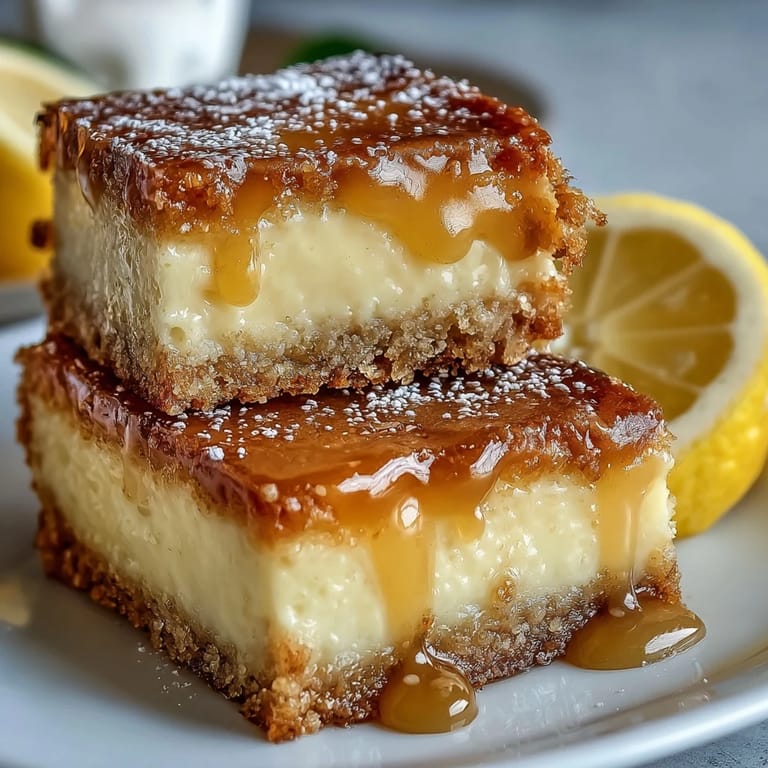
 Every time I slice into this tart and see that golden crust shatter under the knife, revealing that silky lemon filling, I'm reminded why I love cooking for people. It's one of those desserts that feels fancy and special but actually comes from a place of genuine technique and care rather than complexity. Make this for someone you love, and watch their face.
Recipe FAQs
- → How is the buttery crust prepared?
- → What gives the filling its bright flavor?
The filling combines fresh lemon juice and finely grated zest with eggs, sugar, and melted butter to achieve a vibrant, zesty taste balanced with creamy richness.
- → How long should the tart be chilled before serving?
After baking, chilling the tart for at least two hours helps the filling set fully and develop deeper flavor and texture.
- → Can other citrus be used instead of lemon?
Yes, blood orange or lime juice can be substituted for some or all of the lemon juice for a different but complementary citrus flavor.
- → What are some recommended garnishes?
Powdered sugar dusting, thin lemon wheels, fresh berries, or mint leaves enhance both the appearance and freshness of the tart.