 Pin It
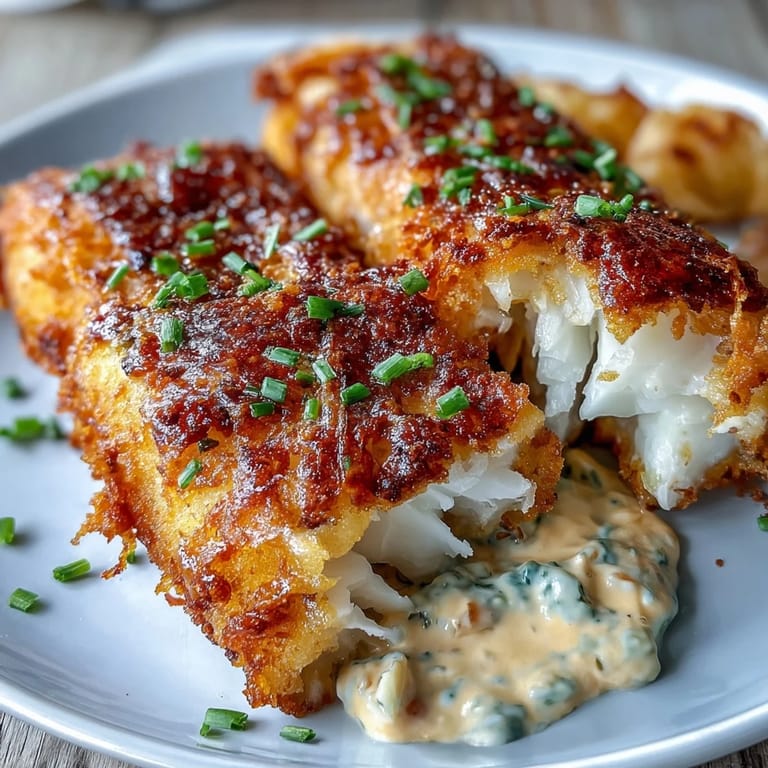
 My uncle's kitchen on a Saturday afternoon smelled like hot oil and cornmeal, and I was maybe ten years old watching him fry catfish like it was the most important meal he'd make all week. He didn't rush, didn't stress—just moved with this quiet confidence that told me this wasn't just food, it was a tradition he was passing down without even saying so. The fillets would sizzle when they hit the oil, turning golden almost immediately, and he'd hand me a piece before it even cooled, remoulade sauce still warm on the side. That taste—crispy outside, tender inside, with that sharp kick of mustard and horseradish—became what I chased every time I wanted to feel like I was back in that kitchen.
I made this for my partner on a random Tuesday when they mentioned missing their grandmother's cooking, and watching their face when they tasted it—that moment where food becomes memory—reminded me why I cook at all. We ate it with coleslaw and just sat there talking, the kind of talking that happens when you're eating something that reaches back into your bones.
Ingredients
- Catfish fillets (4, about 6 oz each): Fresh, firm fillets work best, and you'll want to avoid any that smell off or look discolored because catfish can turn mushy if it's been sitting around.
- Buttermilk (1 cup): This isn't just a marinade—it tenderizes the fish and helps create a more delicate crust than if you skipped it.
- Hot sauce (1 teaspoon for marinade, 2 teaspoons for sauce): Use whatever heat level you prefer, but don't skip it because it adds depth and cuts through the richness of the fry oil.
- Yellow cornmeal (1 cup): The soul of the crust—it gives you that signature crunch and slightly sweet note that defines Southern fried catfish.
- All-purpose flour (1/2 cup): This helps the cornmeal stick and creates a lighter, less heavy crust than cornmeal alone.
- Paprika, garlic powder, onion powder (1 teaspoon each): These dried spices build a savory foundation, and don't substitute fresh here because the dry spices coat better and won't burn.
- Cayenne pepper (1/2 teaspoon): This brings heat at the back of your throat rather than immediate fire, so adjust based on what your crowd can handle.
- Salt and black pepper: Taste as you go because different oils and hot sauces vary in saltiness.
- Vegetable oil for frying: Use neutral oil that can handle 350°F without smoking, and don't reuse it more than once or twice because it breaks down.
- Mayonnaise (1/2 cup): Quality matters here—use a good brand because it's the base of the remoulade and cheap mayo tastes thin and plasticky.
- Dijon mustard (2 tablespoons): This brings that distinctive sharp bite that makes remoulade actually remoulade and not just mayo with stuff in it.
- Prepared horseradish (1 tablespoon): Fresh or jarred both work, but jarred is more predictable and won't vary in heat from jar to jar.
- Sweet pickle relish (2 teaspoons): This adds a subtle sweetness and texture, balancing the sharp mustard and horseradish.
- Fresh lemon juice (1 tablespoon): Bottled juice tastes metallic here, so squeeze it yourself and watch the sauce brighten immediately.
- Garlic clove, minced (1 small): One clove is enough to flavor without overpowering, and fresh garlic makes a real difference in this sauce.
- Smoked paprika (2 teaspoons): This adds a subtle smokiness that makes people ask what you did differently even though they can't quite name it.
- Fresh parsley (1 tablespoon chopped): Don't skip this—it adds brightness and that fresh herb note that ties everything together.
Tired of Takeout? 🥡
Get 10 meals you can make faster than delivery arrives. Seriously.
One email. No spam. Unsubscribe anytime.
Instructions
- Prepare the Buttermilk Bath:
- Whisk together the buttermilk and hot sauce in a shallow dish, making sure the hot sauce dissolves evenly. Lay your catfish fillets in there and let them sit for at least fifteen minutes while you gather the rest of your ingredients—this time is what makes the difference between okay catfish and incredibly tender catfish.
- Build Your Coating:
- In another shallow dish, combine the cornmeal, flour, paprika, garlic powder, onion powder, cayenne, salt, and black pepper, stirring it together with a fork so there are no lumps and everything is evenly distributed. This is your golden ticket—all the seasoning you need is right here.
- Heat the Oil:
- Pour about an inch of vegetable oil into your deep skillet or Dutch oven and place it over medium-high heat until a thermometer reads 350°F. If you don't have a thermometer, drop a tiny piece of cornmeal into the oil—if it sizzles immediately and floats, you're ready.
- Dredge with Intention:
- Remove each fillet from the buttermilk one at a time, letting excess drip back into the dish, then press it gently into the cornmeal mixture, making sure both sides are covered. The pressing motion helps the coating cling rather than fall off mid-fry, and that's what creates the crispy exterior.
- Fry Until Golden:
- Working in batches so you don't crowd the pan, gently lay the coated fillets into the hot oil and let them fry for three to four minutes per side until they're golden brown and cooked through. You'll know they're done when they float and the coating is crispy enough to crack when you press it with the back of your tongs.
- Drain on Paper Towels:
- Transfer each fillet to a paper towel-lined plate as soon as it comes out of the oil, which stops the cooking and lets the oil drain away rather than soak into the crust.
- Make the Remoulade Sauce:
- In a mixing bowl, combine the mayonnaise, Dijon mustard, horseradish, hot sauce, pickle relish, lemon juice, minced garlic, smoked paprika, and parsley, stirring until everything is smooth and well combined. Taste it and add salt and pepper to your preference—you might not need much because the mustard and horseradish already bring salt.
- Plate and Serve:
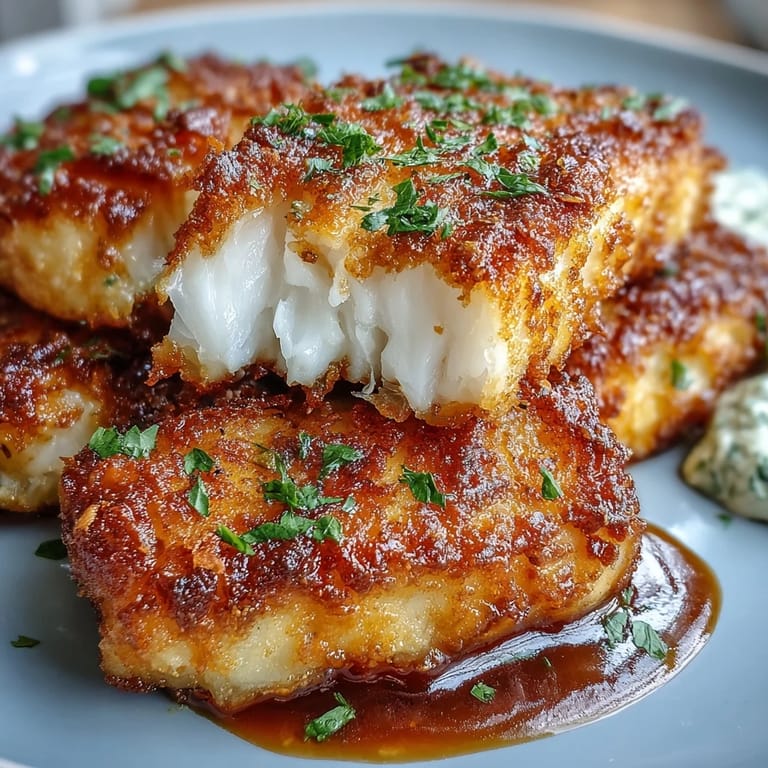
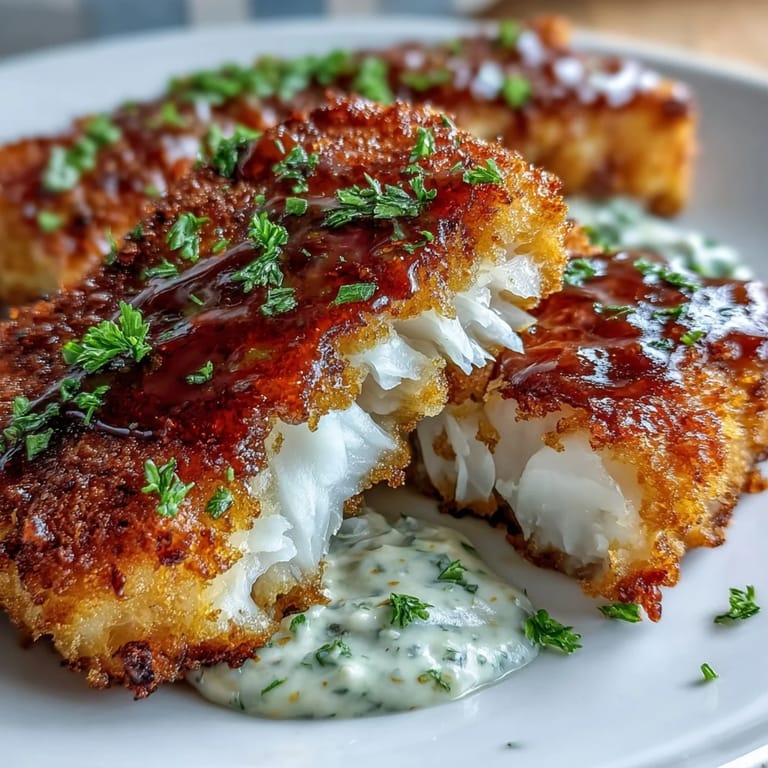
- Arrange your hot catfish fillets on a plate and serve the remoulade sauce alongside so people can dip or drizzle according to how generous they're feeling. The catfish is best eaten immediately while the crust is still crackling.
 Pin It
 There's a moment when you're eating fried catfish that feels suspended outside of time—when the heat from the fish meets the cold tang of the sauce and suddenly you're not just eating dinner, you're connected to every kitchen that's ever made this dish, every family that gathered around a table with this on a plate. That's the real magic of soul food—it's never just about feeding your body.
Why This Dish Earned Its Place
Catfish has this humble reputation, but when you fry it properly, it becomes something luxurious—crispy, delicate, and completely satisfying in a way that fancy fish preparations sometimes miss. The cornmeal crust creates this textural contrast that makes your mouth do happy things, and the remoulade sauce elevates it from casual to something you'd order at a restaurant and pay good money for. This dish is proof that great cooking doesn't require rare ingredients or complicated techniques, just respect for what you're doing and a little time to do it right.
Variations and Companions
If catfish isn't available or you want to switch things up, tilapia or cod work beautifully with this exact same treatment—they have a similar texture and take to the cornmeal crust just as well. The remoulade sauce is versatile enough to work with fried shrimp, oysters, or even chicken tenders, so make extra if you're feeling adventurous. For serving, coleslaw cuts through the richness perfectly, hush puppies turn it into a proper feast, and creamy grits underneath make it feel like a Sunday dinner rather than just a meal.
Making This Recipe Your Own
Once you master the basic technique, you can adjust the spice blend to match your preferences—some people add a teaspoon of Old Bay seasoning, others include a pinch of smoked paprika in the cornmeal mixture itself. The remoulade can be customized too by adding more horseradish if you like heat, or substituting the pickle relish with capers for a different kind of brightness. The beauty of this recipe is that it's flexible enough to respect your tastes while staying true to the soul of Southern cooking.
- Keep your oil at a consistent temperature by using a clip-on thermometer and adjusting your heat as needed.
- Don't rush the buttermilk marinade because those extra minutes of tenderizing are what separate good fried catfish from unforgettable fried catfish.
- Make the remoulade sauce ahead of time if you want—it actually tastes better after sitting in the refrigerator for a few hours as the flavors meld.
 Pin It
 This recipe is an invitation to slow down and cook something that matters, something that tastes like care and tradition and home. Whether you're cooking for family or friends or just yourself on a night when you need something that feels like a hug, this catfish will deliver.
Recipe FAQs
- → How should I marinate the catfish fillets?
Combine buttermilk with a touch of hot sauce and soak the fillets for at least 15 minutes to tenderize and infuse subtle heat.
- → What is the best coating for achieving crispy fillets?
A mixture of yellow cornmeal, flour, and spices like paprika, garlic, and cayenne creates a crunchy, flavorful crust when fried.
- → At what temperature should I fry the fish?
Heat vegetable oil to around 350°F (175°C) to ensure a crispy outside while cooking the fillets evenly inside.
- → Can the remoulade sauce be made ahead of time?
Yes, the sauce can be prepared in advance and refrigerated to allow flavors to meld, enhancing its tangy, spicy profile.
- → What are good side pairings for this dish?
Traditional Southern sides like coleslaw, hush puppies, or creamy grits complement the crispy catfish and zesty sauce well.
- → Are there alternatives to catfish for this preparation?
You can substitute catfish with tilapia or cod, maintaining similar preparation and cooking methods for great results.