 Pin It
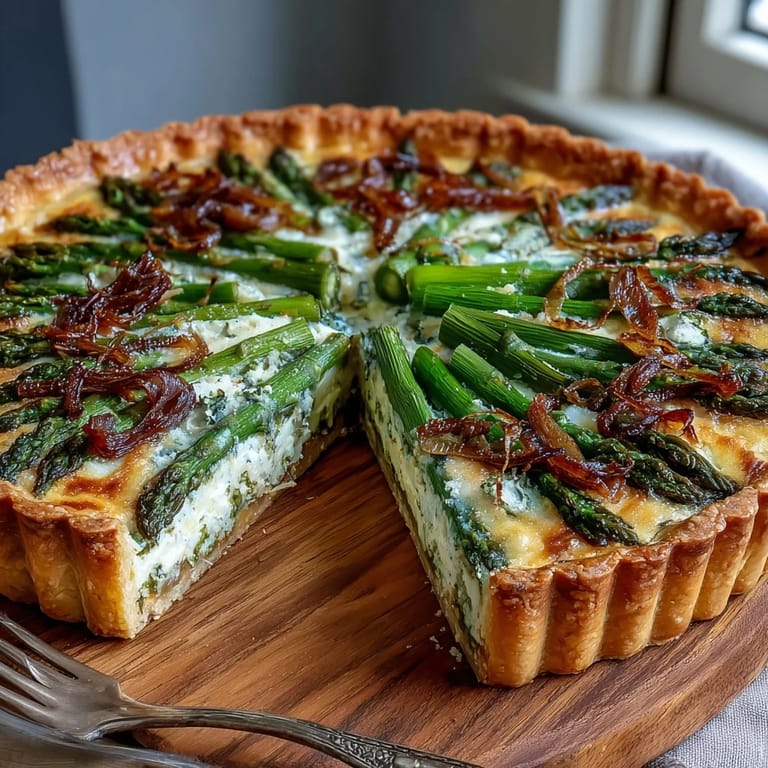
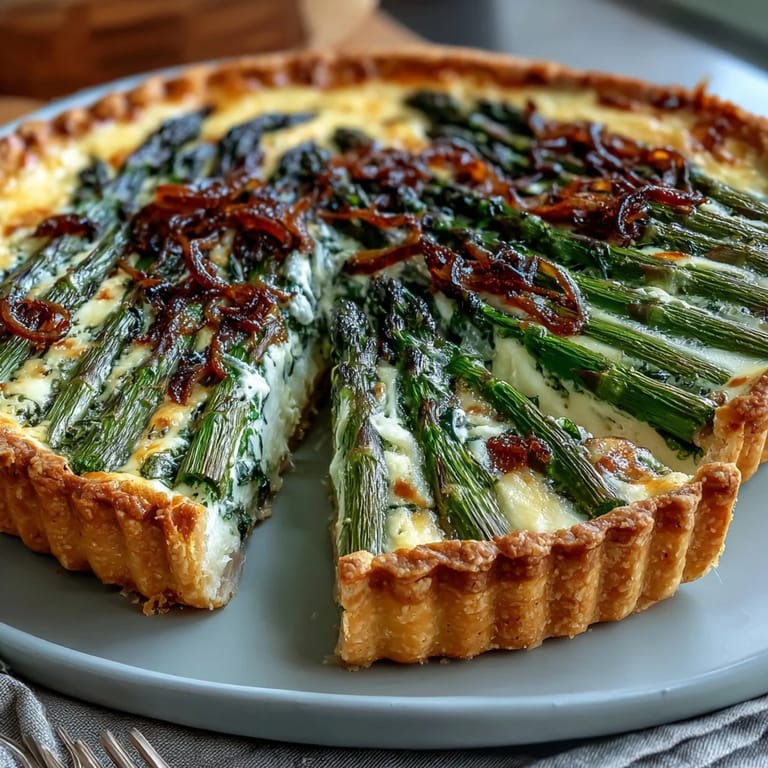
 Whisking eggs for quiche always makes me grin, but the aroma of butter and flour mingling as I start the crust instantly fills the kitchen with a sense of welcome. It feels like pressing pause on a busy morning and leaning into the gentle rhythm of French-inspired cooking. Whenever asparagus is in season, I find its clean, green snap irresistible for lighter meals. Gruyère, with its nutty creaminess, layers a subtle elegance that can make a weekday brunch feel special. Making this dish, there's always a sense of anticipation for the warmth and conversation it will bring to the table.
Last spring, I made this quiche for a group of friends after a spontaneous trip to the farmers market. We laughed about the oddly shaped asparagus bunches and pretended to know more about French cheese than we actually did. Helping each other roll out the dough (with plenty of flour flicked everywhere) turned the prep into a mini celebration. The oven timer became background music to our kitchen chatter. By the time the golden quiche was sliced open, everyone seemed just a little more relaxed and happy.
Ingredients
- All-purpose flour: I’ve found chilling it in advance keeps the crust extra flaky and makes the dough easier to handle.
- Cold unsalted butter: Cutting it into cubes and working quickly with cold fingertips stops it melting too soon, crucial for those signature buttery layers.
- Salt: Don’t skip this – even just a pinch sharpens all the flavors in both crust and filling.
- Ice water: It brings the dough together without making it sticky or tough; add it slowly and stop just when it holds.
- Olive oil: Cooking the shallots low and slow in good olive oil gives them deep sweetness and silky texture.
- Shallots: Thin slices melt into a nearly jammy layer – if they start to brown too fast, lower the heat and be patient.
- Fresh asparagus: Try to choose stalks of similar thickness for even cooking and that gentle snap when you bite.
- Gruyère cheese: Its nutty richness shines, but a coarsely grated pile melts more evenly through the quiche.
- Large eggs: Whisk until completely smooth for that custardy base – any bits of unmixed white can ruin the texture.
- Heavy cream: Adds lush silkiness – resist swapping for milk here or the custard turns thin.
- Whole milk: Combines with cream for a perfect set – skim or low-fat makes the filling oddly rubbery.
- Fine sea salt: Seasons the custard without graininess; sprinkle lightly and taste if you’re unsure.
- Freshly ground black pepper: A little punch balances the sweet shallots and cheese richness.
- Ground nutmeg: Just a pinch – it’s a quiet background note that quietly transforms the egg mixture into something you’ll crave.
Tired of Takeout? 🥡
Get 10 meals you can make faster than delivery arrives. Seriously.
One email. No spam. Unsubscribe anytime.
Instructions
- Bring the dough together:
- In a cool bowl, toss the chilled flour and salt, then work in cold butter with quick pinches until the texture looks pebbly. Gently dribble in ice water, tossing with a fork until the dough can be pressed together – don’t overwork.
- Chill and preheat:
- Shape the dough into a disc, wrap tight, and let it rest in the fridge for 30 minutes. While it chills, preheat your oven to 375°F: the right temperature helps develop golden crust, not soggy bottoms.
- Roll and line the pan:
- Roll the cold dough on a floured surface into a round big enough for your tart or pie pan. Press gently into the pan, trim the edges, prick the base with a fork, then line with parchment and add pie weights to avoid puffing up.
- Blind bake:
- Bake the crust for 15 minutes, then carefully lift out the parchment and weights – bake 5 minutes longer until the crust is pale gold and smells toasty. Let cool while you get the filling ready.
- Caramelize those shallots:
- Warm olive oil in a skillet, then stir in the sliced shallots. Cook over medium, stirring often until golden and fragrant – you want sweet, not burnt, so keep watch.
- Blanch asparagus:
- Bring salted water to a boil, add asparagus, and cook just two minutes until bright green. Rinse under cold water until cool (this stops them overcooking) and pat absolutely dry with towels.
- Mix the custard:
- Whisk eggs, cream, milk, salt, pepper, and nutmeg in a large bowl until totally smooth and light – bubbles here are just fine. Aim for a custard the color of soft sunshine.
- Assemble:
- Scatter caramelized shallots evenly over the cooled crust. Layer the blanched asparagus and Gruyère, then gently pour in the custard, letting it seep into every nook.
- Bake the quiche:
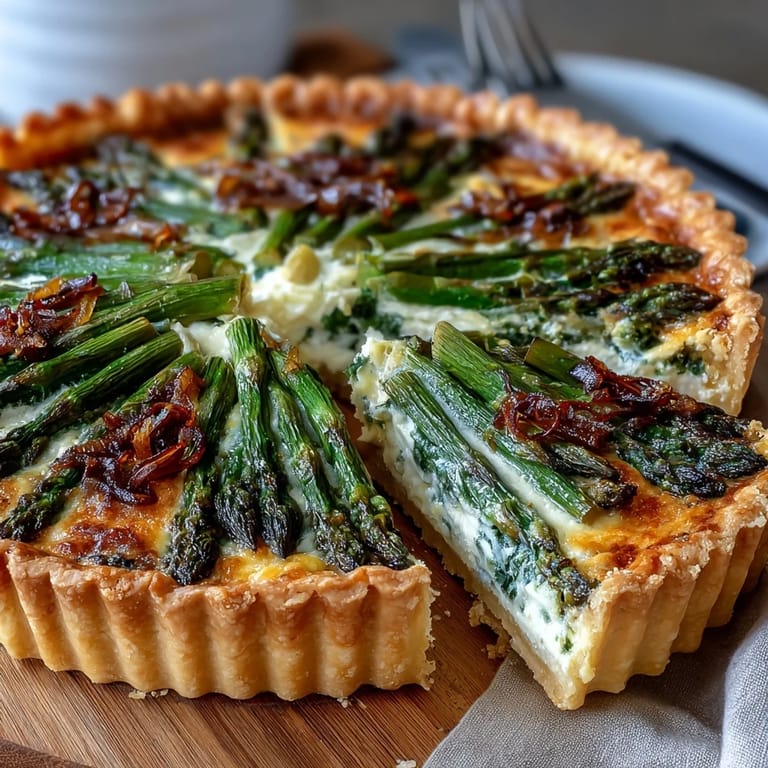
- Slide the pan into the oven and bake for 35 to 40 minutes – you want a softly set center with the barest wobble, and a light bronzed top. Let it rest at least 10 minutes so slices come out clean (it firms up as it cools).
 Pin It
 There was a late morning last April when I shared this quiche on a balcony with the city humming below and sunlight pouring over our mismatched plates. That day, the meal lingered far longer than I planned – proof that simple food has a way of binding good moments together.
Making it Ahead (and Loving the Leftovers)
One of the best lessons learned is how forgiving this quiche can be for make-ahead meals. The crust can be baked the night before and left covered at room temperature, or you can even assemble the whole quiche and keep it uncooked in the fridge overnight. The flavor actually deepens as it rests and the leftovers, gently reheated, never taste like second best.
How to Serve for Any Occasion
If you’re aiming for an elegant brunch or simply want a lighter weekday dinner, this quiche adapts with a few tricks. For an extra touch, scatter fresh herbs—think chives or tarragon—over the top just before baking or serving. Pairing it with a lemony green salad or even a peppery arugula mix keeps the whole meal feeling bright and French-inspired without fuss.
Troubleshooting and Last-Minute Fixes
Occasionally, even seasoned cooks face a soggy crust or a quiche that refuses to set on time. Let the crust cool fully before adding filling so steam doesn’t sneak in under the custard. Don’t panic if the top darkens too quickly: lay a piece of parchment on top to prevent burning without trapping moisture.
- If the filling looks too runny, bake a few minutes more and let it rest uncovered.
- Forgot to get Gruyère? Swiss or sharp cheddar pulls through in a pinch.
- Letting slices cool slightly makes for neater, prettier servings—don’t rush the rest time.
 Pin It
 Sharing this quiche always ends with new stories and, usually, no leftovers. I hope it brings you as much joy at your table as it has at mine.
Recipe FAQs
- → Why blind-bake the crust?
Blind-baking firms the pastry and prevents a soggy bottom by setting the structure before the wet custard is added. Use parchment and weights for even baking and a crisp edge.
- → How long should asparagus be blanched?
Blanch asparagus for about 2 minutes in boiling salted water, then shock in ice water to preserve color and stop cooking. Pat dry before adding to the tart to avoid excess moisture.
- → Can I swap Gruyère for another cheese?
Yes. Emmental or Swiss give a similar melt and nutty note, while a sharp white cheddar adds tang. Adjust salt levels when using stronger cheeses.
- → How do I prevent a watery filling?
Drain and thoroughly dry blanched asparagus and caramelized shallots before assembling. Blind-bake the crust and avoid overpouring the custard; a well-proportioned egg-to-cream ratio helps set a firm filling.
- → Can this be made ahead?
Assemble and bake the quiche, then cool and refrigerate. Reheat gently in a low oven until warmed through, or bring to room temperature before serving to retain texture and flavor.
- → What herbs pair well with asparagus and Gruyère?
Chives, dill, and tarragon brighten the custard without overpowering the asparagus. Sprinkle fresh herbs after baking for a lively finish.