 Pin It
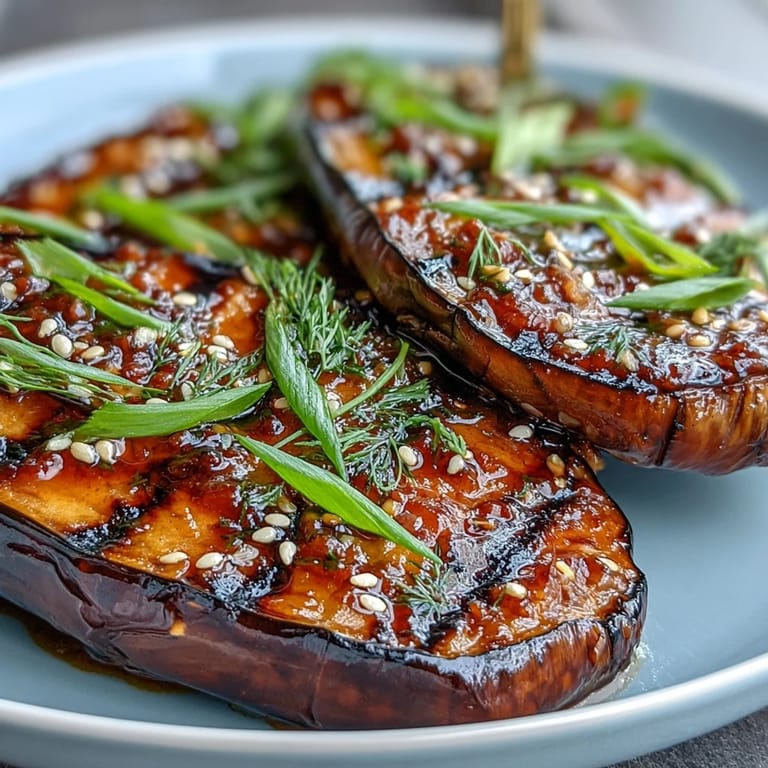
 My neighbor handed me a Japanese eggplant one summer afternoon, still warm from her garden, and challenged me to do something more interesting than my usual stir-fry routine. That evening, I found myself brushing halves with sesame oil and roasting them until they turned almost silky, then glazing them with a miso mixture that smelled like caramel and the ocean at the same time. By the time they hit the broiler and the kitchen filled with that nutty, bubbling aroma, I understood why she'd been so proud of that single vegetable.
I made this for my partner when they were skeptical about eggplant, convinced it was always mushy or bitter. Watching their expression shift as they bit into that caramelized glaze and realized the flesh underneath was almost creamy—that was the moment I knew this recipe would become part of our regular rotation.
Ingredients
- Japanese eggplants (2 medium): Smaller and more delicate than globe eggplants, they have thinner skin and fewer seeds, which means less bitterness and a creamier texture when roasted properly.
- White miso paste (3 tbsp): The star that brings umami depth without overwhelming heat; it's milder and slightly sweeter than red miso, so it plays beautifully with the other glaze ingredients.
- Mirin (1 tbsp): This sweet rice wine creates glossy caramelization and a subtle brightness that balances the saltiness of the miso.
- Sake (1 tbsp): The alcohol cooks off quickly but leaves behind a sophistication that makes people wonder what your secret ingredient is.
- Sugar (1 tbsp): A small amount pushes the glaze toward that perfect sweet-savory edge where everything just clicks.
- Sesame oil (1 tbsp): Not just a cooking medium here—it adds nutty flavor and helps the glaze adhere while roasting.
- Toasted sesame seeds (1 tbsp) and green onions (2, thinly sliced): These aren't just garnish; they add texture, brightness, and a finishing touch that elevates the whole dish from simple to intentional.
Tired of Takeout? 🥡
Get 10 meals you can make faster than delivery arrives. Seriously.
One email. No spam. Unsubscribe anytime.
Instructions
- Heat your oven and prep your stage:
- Preheat to 400°F and line your baking sheet with parchment paper so cleanup becomes effortless later. This step feels small but makes everything that follows smoother.
- Halve and score the eggplants:
- Slice lengthwise and use a sharp knife to score the flesh in a crosshatch pattern without cutting through the skin—this lets the heat penetrate evenly and gives the glaze something to cling to. You're essentially creating little pockets that will catch all that umami goodness.
- Oil and roast:
- Brush the cut sides lightly with sesame oil, place cut-side up on your sheet, and roast for 20 to 25 minutes until the flesh turns golden and yields easily to a fork. The kitchen will start smelling incredible around minute 15.
- Make your glaze:
- While the eggplants roast, whisk together miso paste, mirin, sake, sugar, and sesame oil in a small bowl until completely smooth—no lumps of miso hiding in there. If you encounter stubborn miso clumps, a tiny splash of warm water helps dissolve them without thinning everything else.
- Glaze and broil:
- Remove the eggplants, spread a generous layer of glaze over each cut side, then switch your oven to broil and cook for 2 to 3 minutes until the glaze bubbles and darkens slightly. Watch this part closely because the line between caramelized and burnt is about 30 seconds.
- Finish and serve:
- Pull them from the oven, shower with toasted sesame seeds and sliced green onions, and serve while still warm so the glaze is glossy and the flesh is at its most tender.
 Pin It
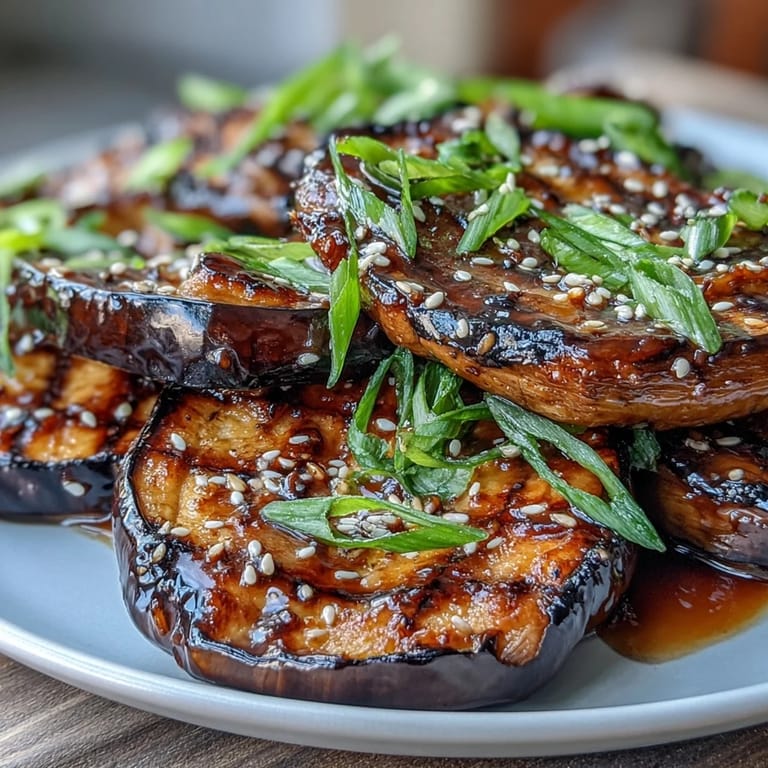
 This dish became my go-to when I needed to prove that vegetables could be the star of the plate, not an afterthought. It's the kind of food that makes people lean back and ask for the recipe, then seem surprised when you list such ordinary ingredients.
The Miso Glaze Explained
White miso is fermented soybeans with a gentler touch than its darker cousins, which is why it works so well here without overpowering the delicate eggplant. When you combine it with mirin's natural sweetness and sake's subtle complexity, you're essentially building layers of umami that coat every fiber of the vegetable. The glaze thickens slightly as it broils, creating that glossy, caramelized finish that makes everything taste intentional and Japanese restaurant-worthy.
Timing and Temperature Matter
The initial 400°F roast is crucial because it's high enough to soften the eggplant quickly without letting it steam itself into mushiness. If your oven runs cool, add a few minutes; if it runs hot, check around the 18-minute mark. The broiler, by contrast, is all about speed and attention—it's meant to char and caramelize the glaze just enough to deepen the flavors without burning anything.
Variations and Substitutions
Some nights I swap honey for sugar to add a floral note, or I use a touch of maple syrup when I want something earthier. Other times I add a pinch of red pepper flakes to the glaze for heat, or I brush the eggplants with a little extra miso before the initial roast to build flavor from the start.
- For gluten-free cooking, verify that your sake and mirin are certified—many conventional versions contain wheat, so checking the label takes one minute and saves disappointment.
- If you can't find Japanese eggplants, regular globe eggplants work but roast them cut-side down first, then flip and glaze them in the final stage to prevent them from becoming waterlogged.
- Serve alongside steamed rice, with a small bowl of extra miso on the side for anyone who wants to add more umami to their plate.
 Pin It
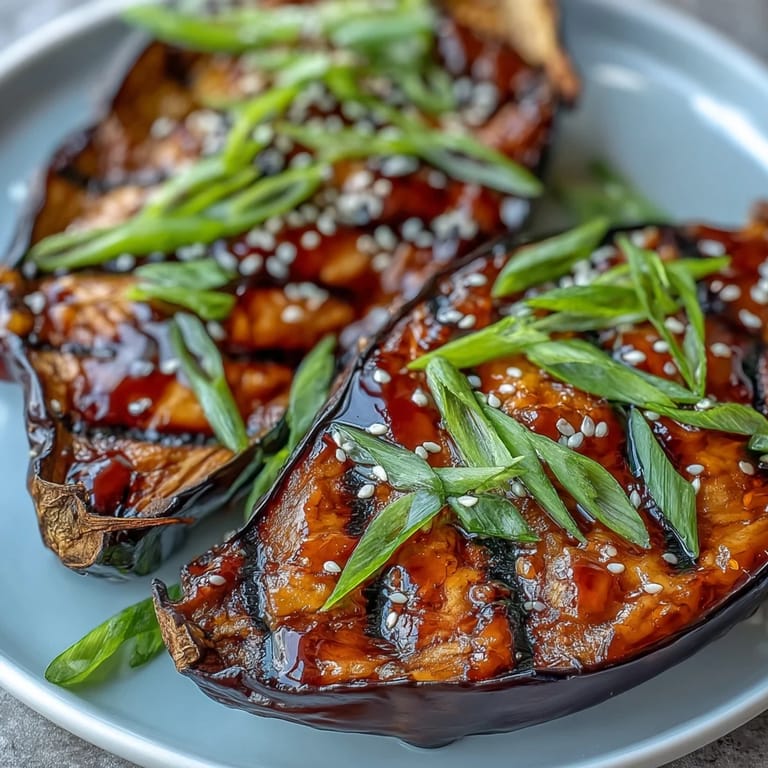
 This is the kind of recipe that reminds you why simple ingredients in the right proportions can feel like magic. Make it once, and you'll find yourself reaching for it whenever you want to feel a little bit more intentional about dinner.
Recipe FAQs
- → What type of eggplant works best?
Japanese eggplants are ideal due to their tender skin and delicate flesh. However, Chinese or Italian eggplants work well too. Just adjust roasting time if using larger varieties.
- → Can I make the glaze ahead?
Absolutely. Mix the miso glaze ingredients and store in an airtight container in the refrigerator for up to two weeks. The flavors actually develop and improve over time.
- → Is this dish vegan?
It can be. Use vegan-certified miso paste, which most naturally are. Double-check that your mirin and sake are vegan-friendly, though they typically are.
- → Why score the eggplant flesh?
Scoring creates more surface area for the glaze to penetrate and helps heat circulate evenly. It also allows the eggplant to absorb flavors more deeply while cooking.
- → Can I grill instead of broil?
Yes. After roasting, finish on a medium-high grill for 2-3 minutes per side. The smoky notes from grilling complement the miso beautifully.
- → How do I store leftovers?
Keep in an airtight container in the refrigerator for up to 3 days. Reheat gently in a 350°F oven or microwave. The glaze may thin slightly when reheated but flavors remain excellent.