 Pin It
 My neighbor brought a jar of homemade sauerkraut to a potluck last spring, and I watched people actually fight over the last spoonful when paired with grilled sausages. That's when I realized fermented cabbage wasn't just a side dish—it was a conversation starter. I started experimenting with it beyond the traditional German platters, mixing it with fresh vegetables and a simple vinaigrette, and suddenly I had something that felt both nostalgic and completely modern.
I made this for a potluck where someone's grandmother was attending, and I'll never forget her picking up a forkful, pausing mid-bite, then nodding with quiet approval. She didn't say much, but later she asked for the recipe, which felt like winning a cooking award I didn't know existed. That moment taught me that good food speaks across generations without needing fanfare.
Ingredients
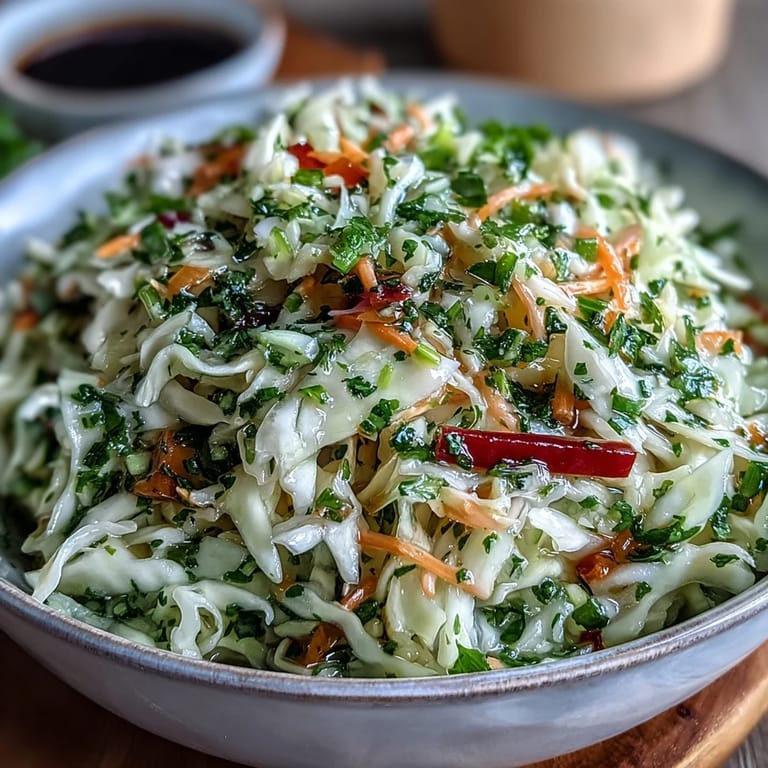
- Sauerkraut: The star player here—squeeze out excess brine gently so it doesn't water down your slaw, but keep some of that fermented tang locked in the shreds.
- Green cabbage: Fresh and finely shredded to contrast with the fermented bite, adding a crisp texture that keeps things interesting.
- Carrot: Grated into thin ribbons, it brings natural sweetness and a pop of color without overpowering the other flavors.
- Red bell pepper: Thinly sliced adds brightness and a subtle crunch that catches people by surprise when they're expecting just cabbage.
- Green onions: A whisper of onion flavor that doesn't dominate, just enough to round out the taste profile.
- Fresh parsley: Chopped just before mixing, it keeps its vibrant green and adds a fresh, slightly peppery note.
- Extra-virgin olive oil: Good quality matters here since it's the base of your dressing and will shine through without other heavy flavors.
- Apple cider vinegar: This is the backbone of your dressing—it harmonizes with the sauerkraut's sourness instead of fighting it.
- Dijon mustard: A small spoonful acts like a flavor translator, helping everything taste more like itself.
- Maple syrup or honey: Just enough to soften the edge of the vinegar without making it sweet, creating balance.
- Black pepper and salt: Taste as you go since sauerkraut already contributes salt, so you might need less than you'd expect.
Tired of Takeout? 🥡
Get 10 meals you can make faster than delivery arrives. Seriously.
One email. No spam. Unsubscribe anytime.
Instructions
- Gather and prep your vegetables:
- Drain your sauerkraut and give it a gentle squeeze between your hands—not like you're angry at it, just enough to release excess liquid. Shred, grate, and slice everything fresh so you're working with crisp vegetables that haven't started wilting in the bowl.
- Build the slaw base:
- Toss all the vegetables together in your largest bowl, mixing them so the colors distribute naturally and nothing gets stuck in corners. You want everything playing together from the start, not stratified like a salad you'll have to re-toss.
- Make your dressing:
- In a small bowl, whisk the oil and vinegar first so they start emulsifying, then add the mustard, maple syrup, and pepper. This gradual approach keeps the dressing smooth instead of separating later.
- Bring it all together:
- Pour the dressing over your vegetables and toss thoroughly—and I mean really toss it, getting your hands in there or using two forks to make sure every strand gets coated. This isn't delicate work; the vegetables can handle enthusiastic mixing.
- Let flavors marry:
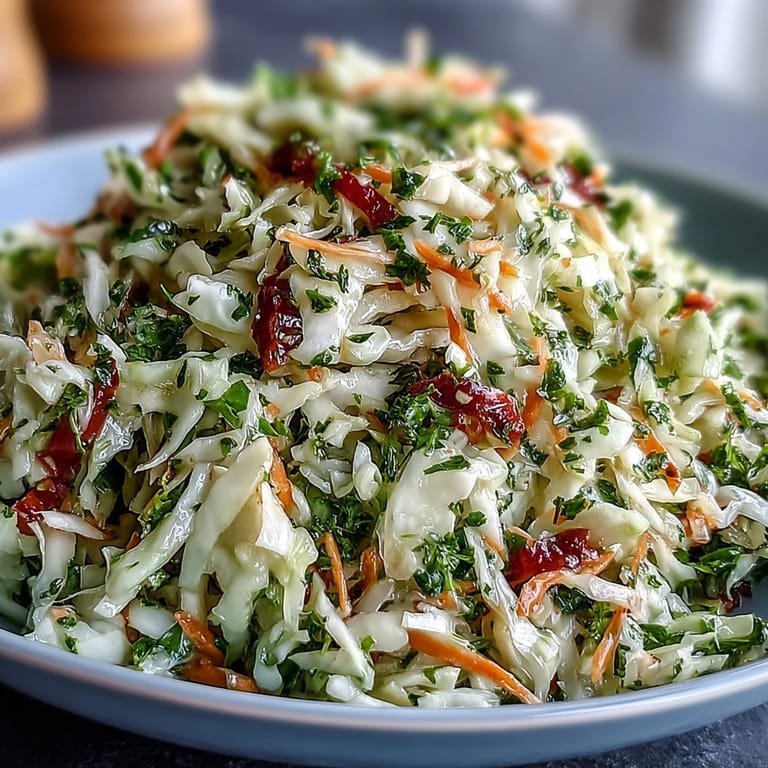
- Give it 10 minutes to sit so the dressing settles in and the vegetables start releasing their juices slightly, creating a mini sauce at the bottom. This resting time is when the magic happens, so don't skip it even if you're in a hurry.
 Pin It
 One Tuesday evening, I packed this in a container for my friend who was recovering from food poisoning, thinking she'd need something gentle but interesting. She told me later that after days of bland food, this felt like her taste buds waking up, and she actually felt better knowing she was getting probiotics without thinking about it. That's when I understood this slaw isn't just a side—it's nourishment that tastes like celebration.
When to Squeeze and When to Hold Back
The sauerkraut situation confused me for months until I realized the brine is doing half the work here. Excess liquid will absolutely water down your slaw into something limp and sad, but some of that fermented liquid is flavor gold. Press gently between your palms like you're testing if bread dough is ready, and you'll find the sweet spot where you're removing water without destroying the texture.
The Dressing Formula That Actually Works
I learned through several failed batches that the ratio of oil to vinegar matters way more than I expected, and adding the sweetener slowly prevents the dressing from tasting like salad dressing salad dressing. When you whisk the oil and vinegar first, they start bonding before you add the other ingredients, which creates something that coats vegetables instead of pooling at the bottom. The mustard and sweetener follow after, acting as connectors that make every flavor feel intentional rather than random.
Make It Your Own Without Losing the Point
This slaw is forgiving enough that you can play with it based on what's in your crisper drawer and what you're serving it with. The core stays the same—fermented cabbage, fresh vegetables, and a balanced dressing—but everything else is negotiable depending on your mood and what you have available. I've added shredded beets for earthiness, crumbled seeds for texture, and even thin slices of apple when I was feeling adventurous.
- Radishes and fennel add serious crunch if you want something closer to a crispy salad texture.
- Toasted seeds give you that nutty depth without changing any of the flavors underneath.
- Serve it chilled for picnics or at room temperature alongside grilled proteins for a warmer meal.
 Pin It
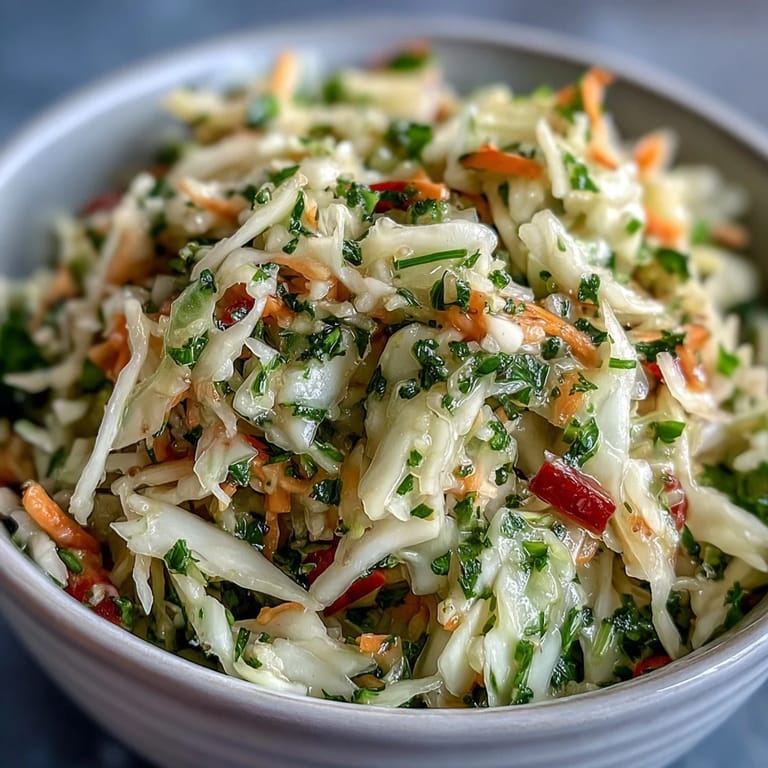
 This slaw taught me that some of the best dishes don't need to be complicated—they just need to respect their ingredients and give them room to shine. Every time I make it, I feel like I'm in on a small secret about eating well without making it feel like work.
Recipe FAQs
- → Can I make this ahead?
Yes, this slaw actually improves after sitting for a few hours. The flavors meld beautifully and vegetables maintain their crunch for 2-3 days when refrigerated in an airtight container.
- → Is sauerkraut better than regular cabbage?
Sauerkraut offers probiotics that support digestive health, along with a tangy depth that fresh cabbage lacks. The fermentation process also makes nutrients more bioavailable.
- → What can I serve with this?
Pair with grilled sausages, bratwurst, or fish for authentic German flair. It also elevates sandwiches, tacos, or serves as a refreshing side for hearty mains.
- → Can I use bottled dressing?
While possible, homemade vinaigrette delivers superior freshness and balances sauerkraut's tang better. The mustard-emulsified blend coats vegetables evenly for cohesive flavor.
- → How do I make it vegan?
Use maple syrup instead of honey. Ensure your sauerkraut contains only cabbage and salt—some brands add animal-derived ingredients or processing aids.