 Pin It
 I discovered this dish on a gray November afternoon when my friend mentioned she'd spent the summer at her family's cottage by the sea. She described how casual appetizer boards always felt too formal for those driftwood-strewn walks we'd take before dinner, so she started layering hummus and smoked fish on a platter in a way that actually looked like the shoreline we'd just come from. When she made it for us that first time, I watched her arrange those pale crackers like actual weathered wood and realized she'd turned a moment into food.
The first time I made this for my own gathering, I was nervous about whether the visual concept would actually work or just look silly. But when everyone arrived and saw that platter sitting there, the conversation just naturally paused for a second. That's when I knew it wasn't about the ingredients at all—it was about creating a moment where eating felt like a small adventure.
Ingredients
- Pale, rustic-style crackers: Water crackers, matzo, or lavash work beautifully because they're sturdy enough to hold the hummus and fish without falling apart, and their natural color mimics driftwood better than anything golden or seeded.
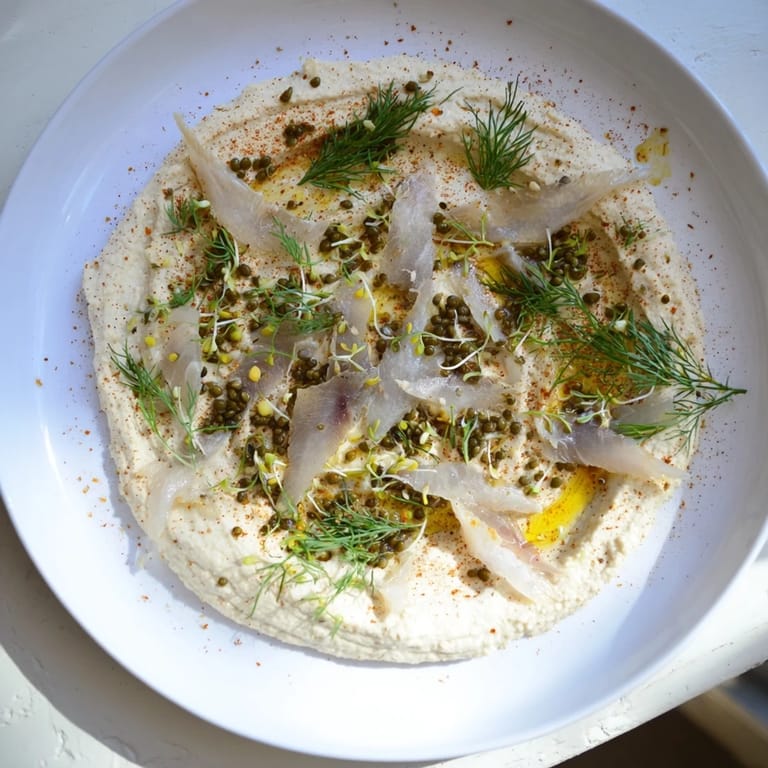
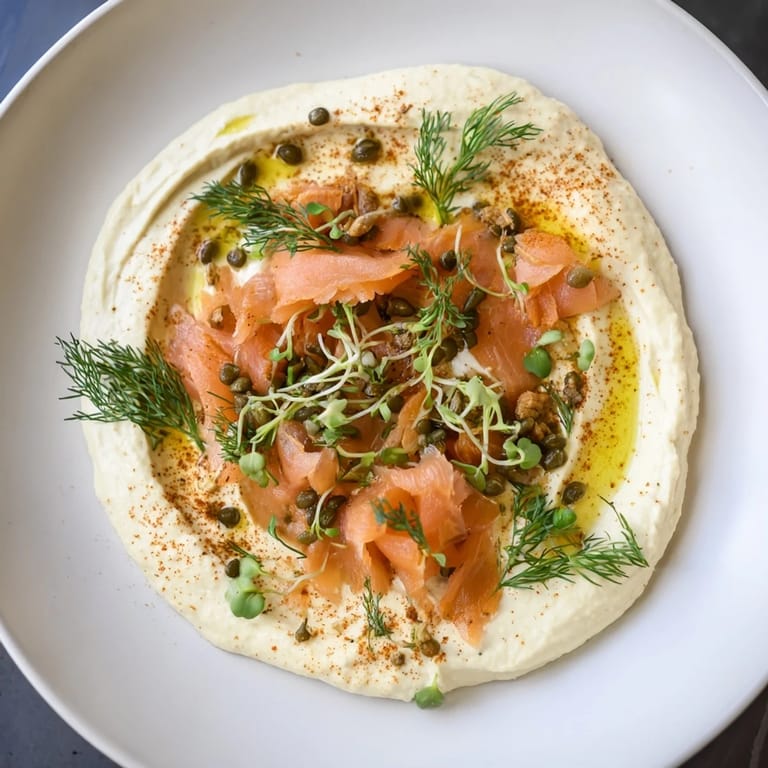
- Smoked white fish: Trout, mackerel, or haddock bring a gentle smoke that doesn't overpower the hummus; flaking it by hand (rather than crumbling) keeps the texture tender and lets guests see exactly what they're eating.
- Classic hummus: The creamy foundation that everything sits on; use store-bought if you're short on time, but make sure it's smooth and lump-free so your spatula can create those gentle shoreline waves.
- Olive oil: A good one matters here because it's visible on top—look for something with a slightly fruity note that complements the smoked fish.
- Smoked paprika: Just a whisper of it dusted over the hummus creates that sandy beach effect without adding heat or overwhelming the delicate fish.
- Toasted sesame seeds: They catch the light and add a subtle nuttiness that ties the hummus and fish together in unexpected ways.
- Fresh dill fronds: These are non-negotiable; their bright green and feathery shape complete the seaside tableau and add a fresh counterpoint to the smokiness.
- Lemon zest: A half lemon's worth provides just enough brightness to cut through the richness and lift the entire dish.
- Capers: Rinse them well so they're not too salty, then let their briny pop surprise you between bites of creamy hummus.
- Microgreens (optional): If you have them, they're the final touch that makes this feel like you actually know what you're doing in the kitchen.
Tired of Takeout? 🥡
Get 10 meals you can make faster than delivery arrives. Seriously.
One email. No spam. Unsubscribe anytime.
Instructions
- Build your shoreline:
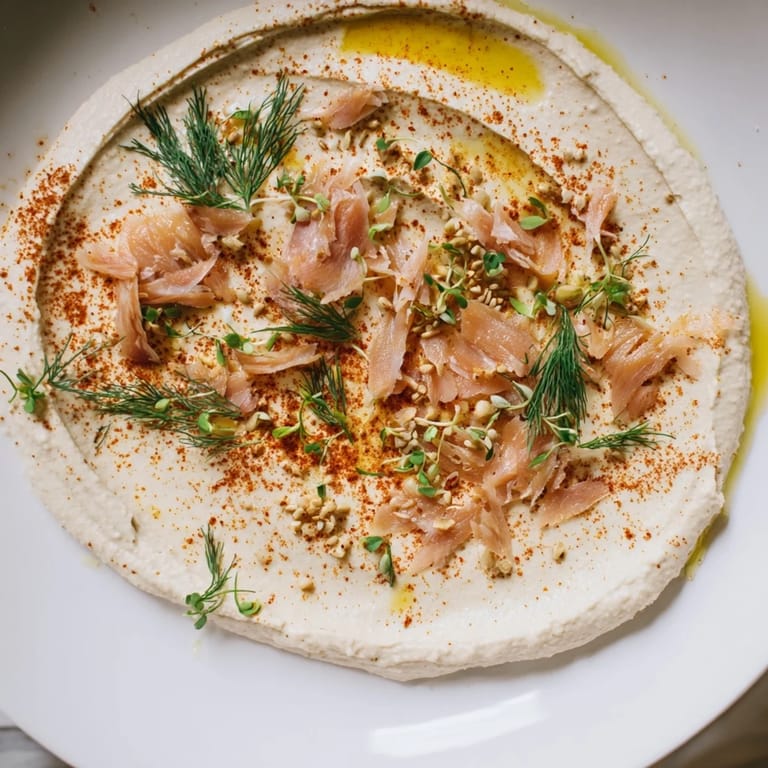
- Spread the hummus across your platter in one thick, generous layer—this is your canvas. Use a spatula or offset knife to create gentle, uneven waves rather than perfect smoothness; the irregularity is what makes it feel like an actual beach rather than a carefully measured dish.
- Add the sandy texture:
- Drizzle olive oil in a thin stream over the hummus, then dust the smoked paprika across the surface like you're seasoning the whole thing. Follow with the toasted sesame seeds scattered unevenly so some areas are heavier than others—real sand isn't perfectly distributed.
- Arrange the driftwood:
- Break your crackers into irregular pieces and position them along one edge of the platter, tilting some slightly so they don't look like a straight line. They should feel like they've genuinely washed up rather than been deliberately placed.
- Scatter the catch:
- Flake the smoked fish over and around the crackers, letting some pieces rest directly on the hummus and others nestle against the driftwood. Vary the sizes and the way they fall so the platter feels natural and lived-in.
- Finish with green:
- Sprinkle dill fronds across the top, add a light shower of lemon zest, and scatter the capers in clusters rather than one by one. Finish with microgreens if you have them, tucking them into the cracks like actual beach plants.
- Serve and watch:
- Bring it straight to the table and let guests gather around it while it's still fresh. The whole magic of this dish is in that moment when people see it and realize they want to taste it before anything shifts.
 Pin It
 I remember my grandmother watching me arrange this platter for the first time and asking why I was making it so complicated when I could just serve hummus and fish on a board. I explained about the beach and the driftwood, and she smiled in that way that meant she got it—that sometimes feeding people isn't just about nutrition, it's about giving them a reason to pause and look at what's in front of them before they eat.
Why This Dish Works as an Opener
An appetizer needs to do two things at once: it should taste good enough that people want to eat it, and it should be visually interesting enough that they want to remember it. This dish accomplishes both by treating presentation as part of the flavor. The shoreline concept isn't just decoration—it changes how people taste the elements, because they're eating with their eyes first and then with their mouths. Once you eat something beautiful, it tends to taste better.
Building Your Own Beach
The beauty of this recipe is that it's forgiving enough to adapt but structured enough to feel intentional. Your platter doesn't need to be a perfect beach scene; it needs to feel like one. That means you can use whatever smoked fish your market has, swap crackers based on what's fresh, and adjust the garnishes based on what's growing in your garden or what you find at the market that morning. The core idea—layering textures and colors to create a scene—stays the same even when the details change.
Pairing and Serving Wisdom
This appetizer pairs beautifully with crisp white wines like Sauvignon Blanc, but it also works well with light beers or even sparkling water if you're looking for something non-alcoholic. Serve it as the first thing guests encounter at a dinner party, or bring it to a gathering where people will stand and eat rather than sit. One small thing that changes everything: arrange the platter on a table where people have to gather around it together rather than passing it in a line. That communal moment, where everyone's hovering over something beautiful before diving in, is when food becomes memory.
- If you're making this ahead, assemble the hummus base and garnishes separately, then arrange everything together just before serving.
- For a smaller gathering, scale the recipe down but keep the presentation proportions the same—even a smaller shoreline tells the same story.
- If capers aren't your thing, substitute with small pieces of pickled onion or a scatter of olives, but keep that briny, surprising element because it makes the whole thing feel intentional.
 Pin It
 This dish reminds me that sometimes the most memorable meals aren't the complicated ones—they're the ones where someone took the time to make the simple elements sing. Every time I make it, I feel a little closer to that gray November afternoon when I first learned that food can tell a story.
Recipe FAQs
- → What types of crackers work best?
Pale rustic crackers such as water crackers, matzo, or lavash work beautifully due to their crisp texture and neutral flavor that complements the hummus and smoked fish.
- → Can I substitute the smoked fish?
Yes, smoked salmon or gravlax can be used as alternatives, maintaining the dish’s smoky and savory profile.
- → How do I create the sandy effect on hummus?
Drizzling olive oil followed by lightly dusting smoked paprika and sesame seeds on the hummus creates a warm, sandy appearance reminiscent of a beach shore.
- → What garnishes enhance the flavors?
Fresh dill, lemon zest, capers, and optional microgreens add freshness and brighten the smoky and creamy elements.
- → Is this dish suitable for quick preparation?
Absolutely. Preparing the elements and assembling this appetizer takes about 20 minutes, with no cooking required, making it ideal for last-minute entertaining.