 Pin It
 There's something almost meditative about the sound of rice hitting a hot wok, that sharp sizzle that tells you everything is about to come together in minutes. I learned to make fried rice out of necessity one Tuesday night when I had nothing but yesterday's rice, three eggs, and whatever vegetables were lurking in my crisper drawer. What started as improvisation became one of those dishes I now crave when I want something that tastes like actual cooking but doesn't demand much from me.
I made this for my roommate after she'd had a rough day at work, and I watched her face shift the moment she took that first bite. She asked if I'd ordered it, which might be the highest compliment fried rice can get. That's when I realized this dish has a quiet power—it feels indulgent and homemade at the same time.
Ingredients
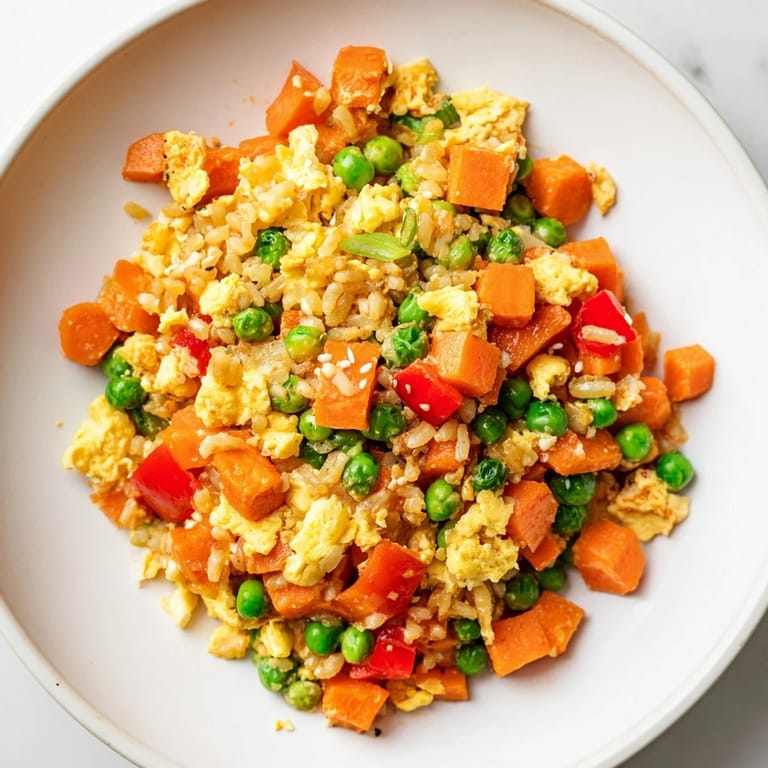
- Cooked leftover rice (2 cups, day-old and cold): Day-old rice is essential because fresh rice holds too much moisture and turns mushy; cold rice separates beautifully and gives you those coveted crispy edges.
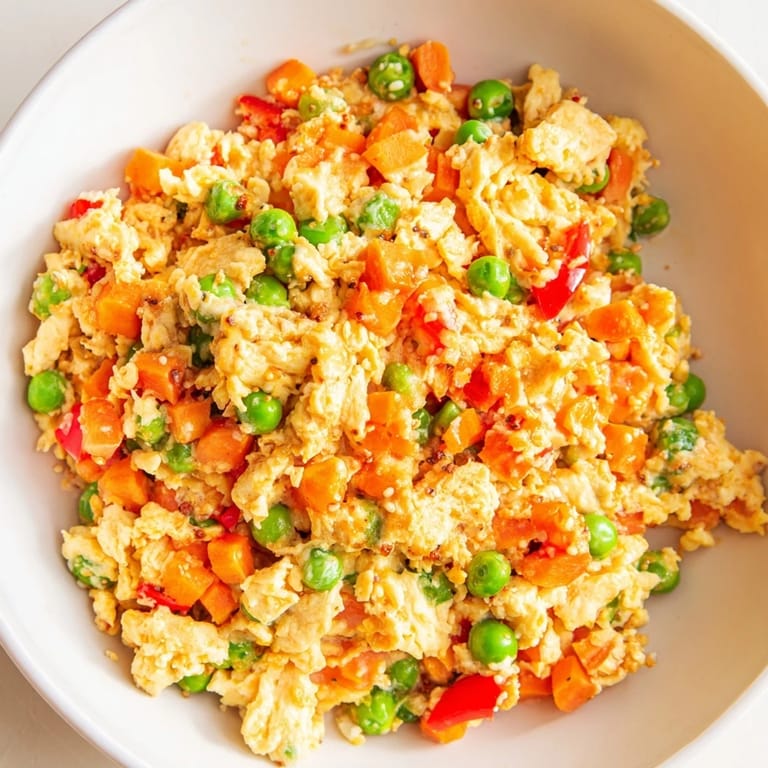
- Large eggs (2): Beat them before you start so they cook evenly and create silky ribbons throughout the dish.
- Diced carrots (1/2 cup): Their natural sweetness balances the salt and soy, and they add a gentle crunch if you don't overcook them.
- Frozen peas, thawed (1/2 cup): Frozen peas are actually better than fresh here because they're already cooked and won't fall apart during the stir-fry.
- Chopped scallions (1/4 cup): Save half for garnish at the end so you get that fresh onion bite in every bite.
- Diced bell pepper (1/2 cup, optional): Adds sweetness and color, but honestly the recipe works beautifully without it if you're in a hurry.
- Soy sauce (2 tablespoons): Low-sodium lets you control the salt level, and it prevents the rice from tasting overwhelmingly salty.
- Sesame oil (1 teaspoon): This tiny amount creates an aroma that makes people think you've been cooking for hours.
- Ground white or black pepper (1/4 teaspoon): White pepper dissolves more invisibly, but use what you have.
- Vegetable oil (2 tablespoons): A neutral oil that heats fast and gets hot enough to give the rice a slight char without overpowering the other flavors.
Tired of Takeout? 🥡
Get 10 meals you can make faster than delivery arrives. Seriously.
One email. No spam. Unsubscribe anytime.
Instructions
- Get your mise en place ready:
- Dice your vegetables into small, even pieces so everything cooks at the same pace. Beat the eggs in a bowl—this takes thirty seconds and makes all the difference in how they cook.
- Scramble the eggs first:
- Heat a tablespoon of oil in your wok or skillet over medium-high heat until it shimmers, then pour in the eggs. They'll set almost instantly; pull them out the moment they're just cooked through so they stay tender. Transfer to a plate.
- Sauté the heartier vegetables:
- Add the remaining oil and toss in the carrots and bell pepper. You're not trying to soften them completely—just two minutes until they start to smell sweet and lose their raw edge.
- Build the layers:
- Add the peas and half the scallions, stir for about a minute. Then comes the rice, and here's where patience matters: break up any clumps with your spatula and keep stirring for two to three minutes until it's heated through and starts to look slightly toasted at the edges.
- Season and bind it together:
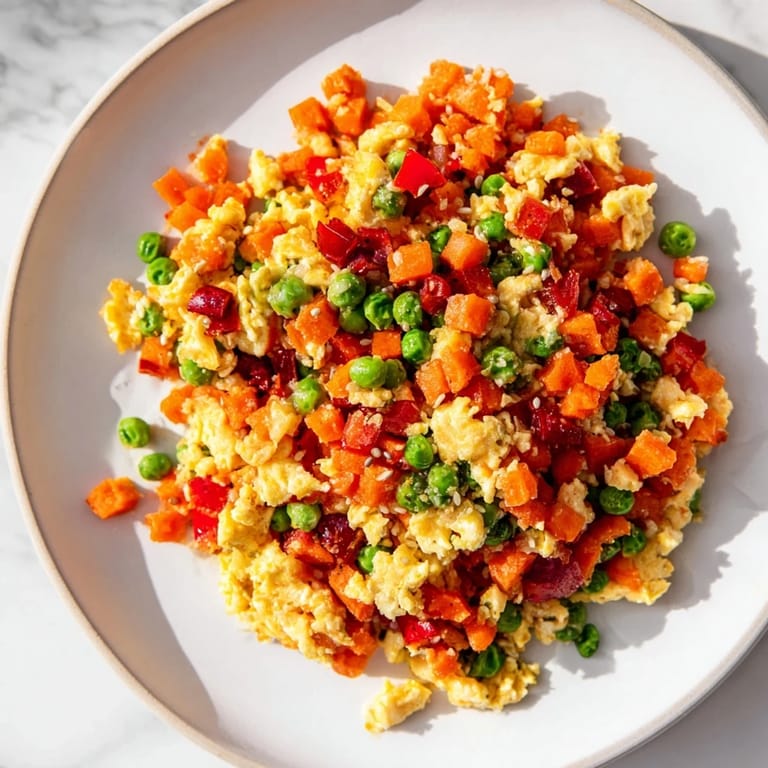
- Drizzle the soy sauce and sesame oil over the rice and toss everything vigorously so every grain gets coated. Return the eggs to the pan and stir gently for one more minute, then taste and adjust the pepper and salt.
- Finish and serve:
- Turn off the heat, scatter the remaining scallions on top, and serve it while it's hot and the aromatics are still rising from the pan.
 Pin It
 The thing that made me fall in love with this dish wasn't the speed or the flexibility, though those are wonderful. It was the night I made it for my sister when she came home after being away for months, and she took one bite and said it tasted exactly like what she'd been craving without knowing it. That's when food stopped being fuel and became a small language.
The Magic of Day-Old Rice
Fresh rice contains moisture that steam-cooks the grains and makes them stick together, which is perfect for sushi but ruins fried rice. When you refrigerate rice overnight, the moisture redistributes evenly and the grains firm up and separate. This is why fried rice is one of the best uses for leftover rice—you're actually taking advantage of a transformation that time creates. If you find yourself without day-old rice, you can spread fresh rice on a baking sheet and chill it in the freezer for fifteen minutes, though the texture won't be quite as elegant.
Customizing Without Losing Flavor
The beauty of fried rice is that it's built on a simple framework that tolerates substitution. You can swap carrots for corn, add broccoli or snap peas, use whatever protein you have on hand—chicken, shrimp, tofu all work beautifully. The only rule is that your total vegetable volume should stay roughly the same so the rice-to-vegetable ratio stays balanced. I've made this with almost nothing but spring onions and egg in desperate moments, and it's still delicious because the soy sauce and sesame oil carry the entire dish.
Beyond the Basic Recipe
Once you've made this a handful of times, you'll start seeing where your personal touches belong. A small pinch of garlic or fresh ginger when you're sautéing the vegetables adds depth without demanding extra time. A drizzle of chili oil at the end brings heat without changing the fundamental character. Some nights I add a beaten egg on top and let it cook into ribbons that catch the light, turning it into something almost fancy.
- A tiny splash of rice vinegar at the very end brings brightness that balances the richness.
- White pepper tastes slightly more refined than black pepper if you're trying to impress someone.
- Pressing the rice against the wok with your spatula creates more charred edges if you like a little texture and slight bitterness.
 Pin It
 Fried rice taught me that some of the most satisfying meals come from constraints, not complicated instructions. It's the kind of dish that gets better the more often you make it, not because the technique changes but because you learn to trust your instincts.
Recipe FAQs
- → Can I use fresh rice instead of leftover rice?
Day-old rice works best to prevent clumping and achieve a fluffy texture, but perfectly cooled fresh rice can be used if spread out to cool first.
- → What vegetables work well in this stir-fry?
Carrots, peas, bell pepper, and scallions are ideal, but snap peas, corn, or broccoli can be great alternatives based on availability.
- → How should I cook the eggs for the best texture?
Lightly scramble the eggs until just set before removing from heat, ensuring they remain soft and fluffy when combined later.
- → Can I make it vegan-friendly?
Replacing eggs with tofu and using vegetarian soy sauce can create a plant-based version while maintaining savory flavors.
- → What oils are best for stir-frying?
Neutral oils like vegetable oil or light sesame oil provide a balanced flavor and prevent burning during quick stir-fry cooking.