 Pin It
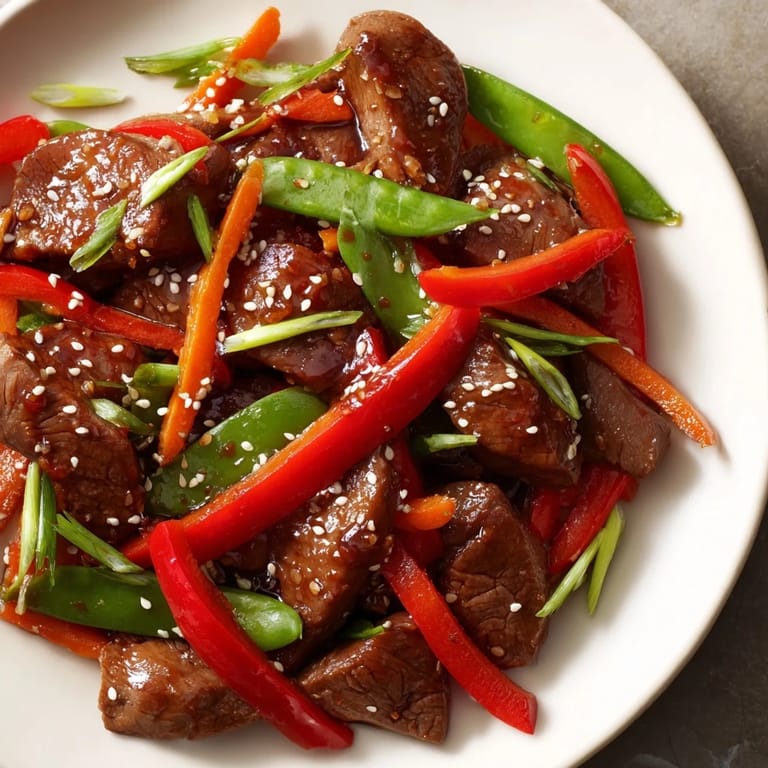
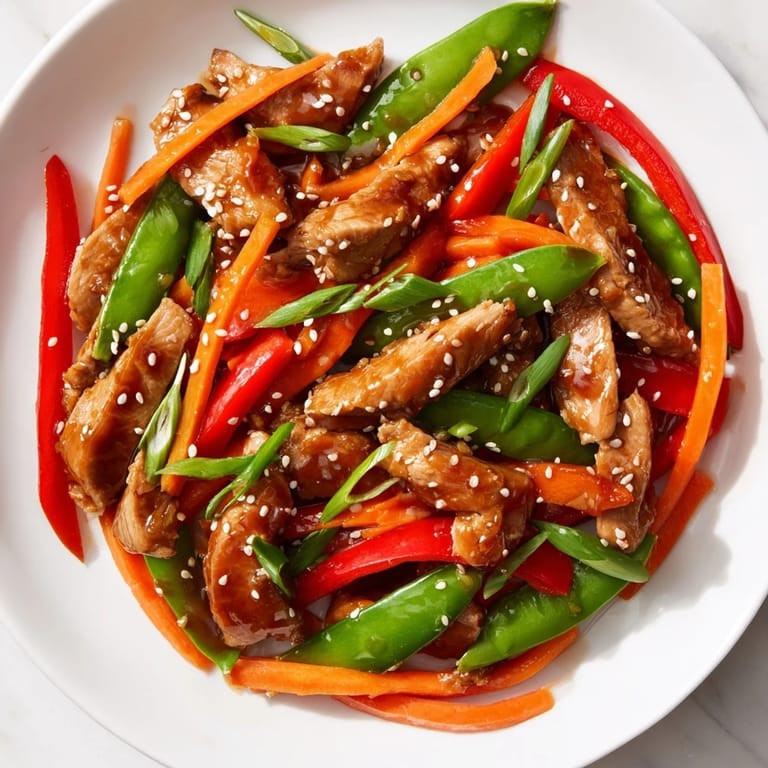
 There's something about the sizzle of pork hitting a hot wok that always pulls me back to Tuesday nights when I needed dinner in under half an hour. I'd started keeping pork tenderloin in the freezer after a particularly chaotic week when takeout felt like the only option. This stir-fry changed that. The sauce comes together while you slice the vegetables, and everything cooks so fast you barely have time to set the table.
I made this for my neighbor once after she mentioned craving Chinese takeout but not wanting to wait for delivery. She stood in my kitchen watching the whole thing come together, surprised at how simple it was. When the sauce hit the pan and thickened into that shiny glaze, she actually laughed and said it looked better than what she would have ordered. We ate it standing up at the counter with chopsticks, still warm from the wok.
Ingredients
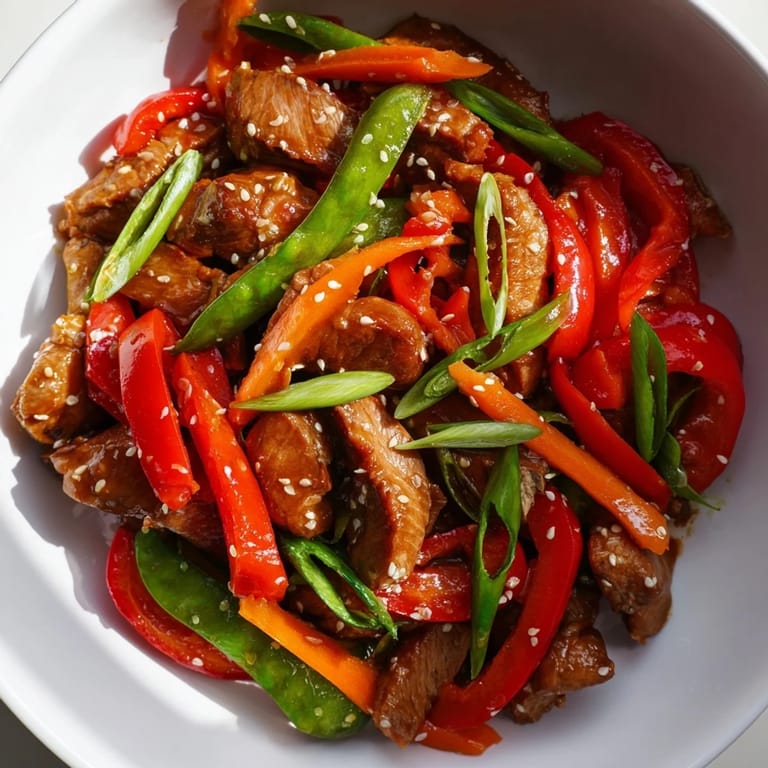
- Pork tenderloin: Slice it thin against the grain so it stays tender and cooks quickly without drying out.
- Red bell pepper: Adds a pop of color and just enough sweetness to balance the salty teriyaki without tasting sugary.
- Snap peas: They keep their snap if you don't overcook them, which is easier than it sounds when everything moves this fast.
- Carrot: Julienne it thin so it softens in the same time as the other vegetables and doesn't stay crunchy.
- Green onions: Use them twice, once in the stir-fry for flavor and again at the end for a fresh bite.
- Garlic and ginger: Fresh makes all the difference here, the fragrance is what makes the kitchen smell like a real stir-fry.
- Low-sodium soy sauce: Lets you control the salt level, especially once the sauce reduces and concentrates.
- Mirin: This sweet rice wine brings a gentle sweetness that tastes more complex than sugar alone.
- Brown sugar or honey: Either works, honey makes the glaze a little stickier.
- Rice vinegar: Just enough acidity to keep the sauce from being too heavy or one-note.
- Cornstarch: Mix it with cold water first or it will clump the second it touches the hot pan.
- Sesame oil: A small amount goes a long way, adding that toasted nutty finish.
- Vegetable oil: High smoke point means you can get the wok screaming hot without any burning smell.
- Sesame seeds: Toast them yourself in a dry pan for a minute, they taste completely different from the ones in a jar.
Tired of Takeout? 🥡
Get 10 meals you can make faster than delivery arrives. Seriously.
One email. No spam. Unsubscribe anytime.
Instructions
- Mix the sauce:
- Whisk everything together in a small bowl until the cornstarch dissolves completely and there are no lumps. Set it within reach of the stove because once you start cooking, you won't have time to hunt for it.
- Cook the pork:
- Heat one tablespoon of oil in your wok over medium-high until it shimmers, then add the pork in a single layer if you can. Let it sear for a minute before tossing, this gives you those golden edges that taste like the best part of takeout.
- Stir-fry the vegetables:
- Add the remaining oil and toss in the bell pepper, snap peas, and carrot. Keep everything moving but give them a few seconds of contact with the hot pan between stirs so they pick up a little char.
- Add aromatics:
- Toss in the garlic, ginger, and half the green onions. Stir constantly for thirty seconds, just until the smell hits you and makes you hungry.
- Glaze everything:
- Return the pork to the pan, give the sauce one last stir, then pour it over everything. Toss continuously as it thickens, which happens faster than you expect, coating every piece in that glossy teriyaki sheen.
- Finish and serve:
- Pull it off the heat the moment the sauce clings to the pork and vegetables. Sprinkle sesame seeds and the remaining green onions over the top, then serve it immediately while everything is still crackling hot.
 Pin It
 One night I made this and forgot to prep the sauce ahead of time, so I had to whisk it together while the pork was already cooking. It worked, barely, but I learned to have everything ready before the oil hits the pan. Stir-fry doesn't wait for you. The chaos taught me to respect the speed of it, and now I actually enjoy the rush of bringing it all together in those few frantic minutes.
Swapping Proteins and Vegetables
I've made this with chicken thighs when I didn't have pork, and it was just as good, maybe even a little juicier. Tofu works too if you press it well and cut it into cubes, though it won't sear the same way. For vegetables, I've thrown in broccoli, mushrooms, and bok choy depending on what I had around. The sauce is forgiving enough that almost anything tastes right as long as you don't overcrowd the pan.
Serving Suggestions
This stir-fry is best over a big bowl of steamed jasmine rice, the kind that soaks up all the extra sauce pooling at the bottom. I've also served it with rice noodles when I wanted something a little different, and once over crispy chow mein noodles for texture. If you're skipping carbs, it's still satisfying on its own, though you'll miss the way the rice stretches the meal and mellows the saltiness.
Make-Ahead and Storage Tips
You can slice the pork and chop the vegetables a few hours ahead and keep them in the fridge until you're ready to cook. The sauce can sit at room temperature, just whisk it again before using. Leftovers keep for three days and reheat surprisingly well in a hot skillet, though the vegetables soften a bit more. I don't recommend freezing it, the texture of the vegetables turns mushy and the sauce separates.
- Prep your vegetables and protein in the morning if you know dinner will be rushed.
- Double the sauce recipe and keep extra in a jar for next time, it stays good in the fridge for a week.
- Reheat leftovers in a skillet, not the microwave, to bring back some of that seared flavor.
 Pin It
 This stir-fry has become my answer to nights when I want something that feels special but don't have the energy for complicated. It's fast, forgiving, and always tastes like I tried harder than I did.
Recipe FAQs
- → What cut of meat works best for this dish?
Pork tenderloin sliced thinly ensures quick, even cooking while staying tender and juicy.
- → How can I make the sauce thicker?
The sauce thickens nicely with cornstarch mixed into cold water before stirring it in while cooking over medium heat.
- → Can I substitute the vegetables?
Yes, vegetables like broccoli, mushrooms, or bok choy can be added or swapped depending on preference.
- → Is there a gluten-free option for the sauce?
Use tamari instead of regular soy sauce to make the sauce gluten-free without altering flavor significantly.
- → What oils are recommended for stir-frying?
Vegetable oil or other neutral oils with high smoke points work best to quickly cook ingredients without burning.
- → How long should I marinate the pork?
Marinating is optional; the pork cooks well with quick coating during stir-fry for fresh flavor and texture.