 Pin It
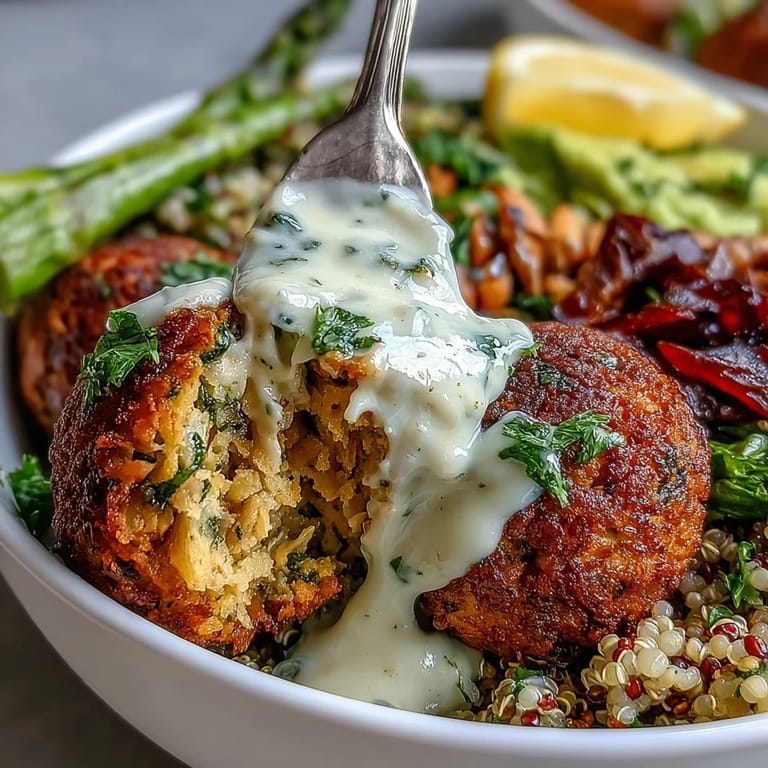
 Steam curled over the countertops the first time I threw together this Spring Buddha Bowl and the scent of roasting vegetables mingled with fresh herbs made me pause mid-chop just to take it in. What started as a quest for something cheerful and hearty after a grey April rainstorm quickly turned into a kitchen ritual—chopping, roasting, and whisking my way through the bright notes of spring. That afternoon I realized how satisfying it is to layer flavors and colors bowl by bowl, like laying out paints for a hopeful new canvas. The crunch of falafel, the zing of the lemon-tahini dressing, and delicate greens all vying for attention is just the sort of meal that makes you want to gather people around the table. Once you try assembling this beautiful bowl, you’ll see why it rarely makes it to leftovers in my house.
One rainy Monday I set out these Buddha Bowls for lunch with my sister, expecting nothing fancy, but she couldn’t stop raving about how the falafel crisped up perfectly and how the dressing pulled everything together. We started brainstorming what spring veggies belonged in the bowl next time, laughing about which combos matched our moods that week—a little experimentation never tasted so fresh.
Ingredients
- Asparagus: Snapping off the woody ends gives the bowl its grassy, tender crunch—I always taste a raw piece for sweetness.
- Radishes: Roasting mellows their peppery bite, so if you’re wary, just trust the process—they turn sweet and juicy.
- Baby carrots: Slicing them lengthwise gives more surface for caramelization, something I learned after too many steamed carrot side dishes.
- Sugar snap peas: I trim the ends and sometimes peel the strings if they seem fibrous—your teeth will thank you.
- Olive oil: Coats everything for optimal roasting; a drizzle extra over the greens before serving keeps them lively.
- Sea salt & freshly ground black pepper: Don’t skip seasoning the veg before roasting; it draws out natural sweetness and depth.
- Chickpeas: Canned work fine, but I occasionally simmer dried ones if I have time—either way, drain them well to avoid soggy falafel.
- Onion & garlic: Essential for falafel flavor—pulse just until combined or you risk a gluey texture.
- Fresh parsley & cilantro: The mix gives falafel brightness—go heavy on herbs for green flecks in every bite.
- Ground cumin & coriander: Key spices for that unmistakable falafel warmth—toast briefly for extra aroma.
- Baking powder: Learned this lifts the falafel, making them lighter than expected.
- All-purpose (or chickpea) flour: Holds the falafel together; chickpea flour keeps it gluten-free and amps up the nuttiness.
- Cooked quinoa (or brown rice): I alternate for the base, choosing whichever grain I have on hand.
- Mixed baby greens: The fresh bite balances the warmth of the other toppings—don’t skip them.
- Cherry tomatoes & avocado: Their cool, creamy notes offset the warm elements and add pop.
- Pumpkin seeds: A final scattering brings toasty crunch.
- Tahini, lemon juice, maple syrup, water, garlic, salt: The dressing couldn’t be simpler or more addictive—thin with water until you get a pourable but creamy consistency.
Tired of Takeout? 🥡
Get 10 meals you can make faster than delivery arrives. Seriously.
One email. No spam. Unsubscribe anytime.
Instructions
- Roast Your Veggies:
- Set your oven to 425°F and let it fully preheat while you toss asparagus, radishes, carrots, and snap peas with olive oil, salt, and pepper. Spread them out on your baking sheet and pop them in—listen for the sizzle as the tray hits the rack and turn halfway for caramelized edges.
- Make the Falafel Mixture:
- While the vegetables roast, combine chickpeas, onion, garlic, parsley, cilantro, spices, baking powder, salt, and pepper in your food processor. Pulse gently—stop as soon as it holds together when pressed so you avoid a hummus-like paste.
- Shape and Fry Falafel:
- Scoop the mixture into 12 small patties (wet hands help) then warm olive oil in a heavy skillet. Pan-fry each side until golden and crisp, about 3–4 minutes per side—don’t fuss too much, the best ones are always a little uneven.
- Whisk Up the Lemon-Tahini Dressing:
- In a small bowl, whisk tahini, lemon juice, maple syrup, water, salt, and garlic until creamy. Add a splash more water if you like it thinner; taste and tweak until it sings with zing.
- Build Your Bowls:
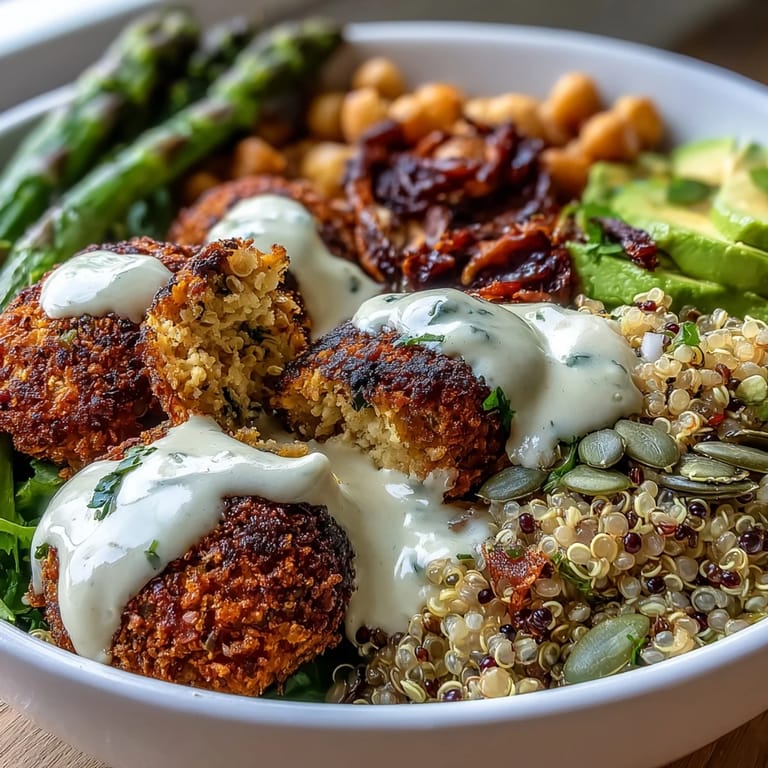
- Spoon a bed of quinoa into each bowl and layer on roasted veggies, greens, falafel, cherry tomatoes, avocado, and pumpkin seeds. Drizzle with as much lemon-tahini dressing as you please and serve up while everything is still warm and fresh.
 Pin It
 There’s something about a table crowded with mismatched bowls and people assembling their own just-right combinations that always makes me pause and smile—this Spring Buddha Bowl became the centerpiece of our first sunny backyard lunch last year and every bite tasted like hope for brighter days. The memory lingers in every lemony-dressed forkful, and I can’t imagine spring without it.
Assembling for Any Mood
Sometimes I pile on extra greens when I crave crunch, or slip in roasted sweet potatoes for heartiness. The assembly becomes a choose-your-own adventure, whether it’s lunch solo at the counter or feeding a hungry crowd on a weeknight. No two bowls ever look quite the same, and that’s half the fun. It’s like mixing a playlist, but for dinner—endlessly customizable, always uplifting.
How to Store and Meal Prep
Don’t be shy about doubling the falafel—leftovers actually crisp up again in a toaster oven or skillet, and keep in the fridge for days. I often roast extra veggies too, storing them in glass containers for quick grain bowls on the fly. Keep dressing separate until just before serving so your greens stay perky.
Getting the Most from Your Veggies
I’ve learned that letting the veggies caramelize just at the edges brings out their natural sugars and vibrant colors. Give them enough space on the sheet so they roast, not steam, and steal one for yourself as soon as they come out of the oven—cook’s treat. Even the skeptics at my table come around to radishes this way.
- A gentle toss halfway through roasting helps everything brown evenly.
- For extra crunch, sprinkle pumpkin seeds over just before serving.
- If you’re out of fresh herbs, a little dried works in the falafel in a pinch.
 Pin It
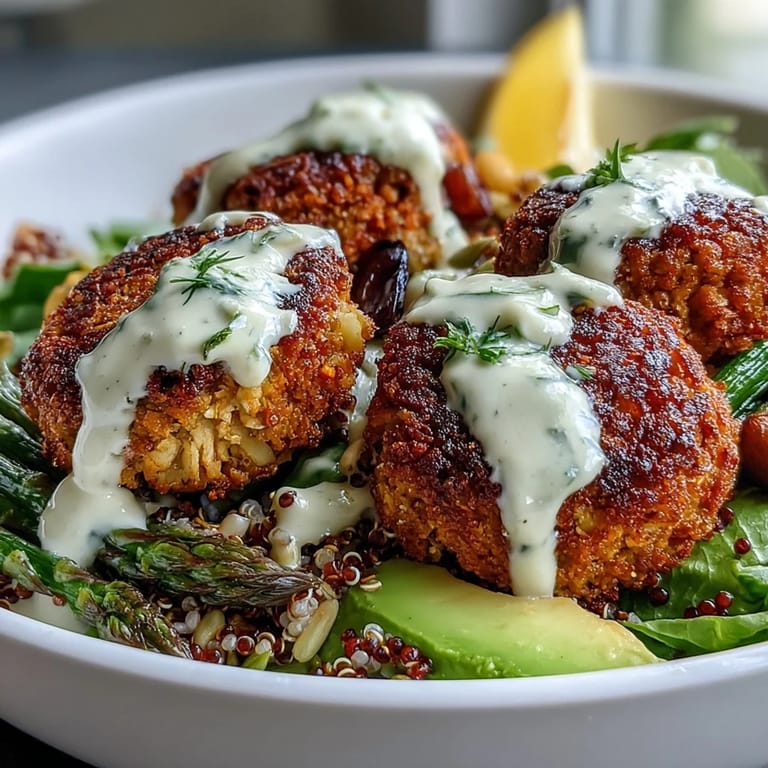
 Even after countless variations these Buddha bowls still manage to surprise me. Here’s to bright flavors and colorful bowls whenever you need a little spring in your step.
Recipe FAQs
- → What oven temp and time work best for the vegetables?
Roast at 425°F (220°C) for 18–20 minutes, turning once. That high heat browns edges while keeping centers tender; cut pieces uniform so they finish at the same time.
- → How do I keep falafel from falling apart?
Pulse chickpeas to a coarse texture—not puréed—and add just enough flour to bind. Chill the mixture briefly if it's too loose, and press patties firmly before pan-frying in hot oil.
- → How thin should the lemon-tahini dressing be?
Start with 2 tablespoons of water and whisk until smooth; add a little more water to reach a pourable consistency that coats ingredients without pooling—taste and adjust lemon or maple for balance.
- → Can I swap the quinoa for something else?
Yes — cooked brown rice, farro, bulgur, or extra greens all work well. Choose a grain with a neutral flavor and fluffy texture to complement the vegetables and falafel.
- → How do I reheat leftover falafel without losing crispness?
Reheat in a skillet over medium heat with a small splash of oil or in a 350°F (175°C) oven for 8–10 minutes. Avoid the microwave, which makes them soggy.
- → What gluten-free adjustments are recommended?
Use chickpea flour or another certified gluten-free binder in place of all-purpose flour, and confirm all packaged ingredients are labeled gluten-free to avoid cross-contamination.